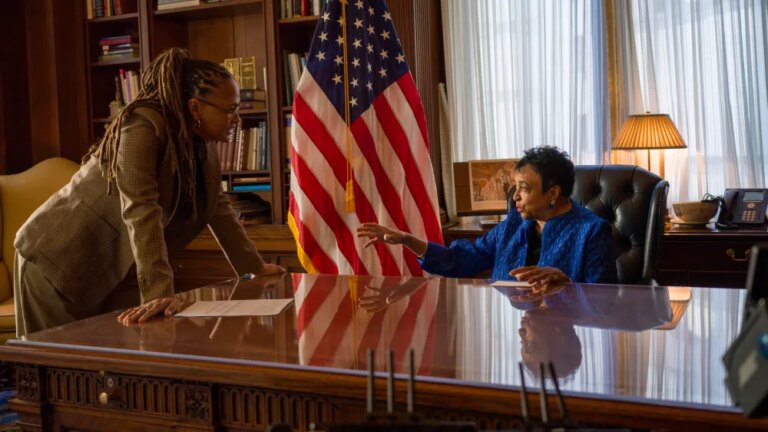
Ava DuVernay, a visionary filmmaker renowned for her compelling narratives, has made a significant leap from dramatic features to groundbreaking documentaries. Her prior work, “13th,” released in 2016, masterfully delved into the complexities of the 13th Amendment, illuminating the paradox of its abolition of slavery while revealing how slavery’s echoes persist under different guises in America. As a potent blend of despair and inspiration, the film offered brutal truths that have resonated deeply with audiences.
Exploring the 14th Amendment
Tonight, the New York Film Festival introduced “14th,” a poignant sequel where DuVernay shifts focus to the 14th Amendment. Ratified in 1868, this pivotal Constitutional addendum not only champions equal protection under the law but consists of five intricate sections addressing everything from insurrection to due process. Some have even referred to it as a “Constitution in and of itself” or, humorously, “the everything bagel of democracy.”
“14th” possesses the same historical and topical weight as its predecessor, “13th.” DuVernay’s talent lies in her ability to make history accessible and compelling. The film challenges the complacency often associated with the Constitution, presenting it as a living document whose implications we ignore at our own peril—especially poignant in today’s socio-political climate.
The Legacy of Reconstruction
A powerful historical narrative often requires the element of surprise, and “14th” successfully reveals that the three amendments passed in the wake of the Civil War—13th, 14th, and 15th—represent a profound reboot of American life. While figures like Hamilton, Jefferson, and Franklin are well-known as the Constitution’s framers, DuVernay argues that the post-Civil War era also had its own crucial architects, such as Thaddeus Stevens, a Radical Republican whose influence, according to commentators, shaped the foundation of modern America.
The abolition of slavery immediately incorporated four million newly freed individuals into the American fabric, raising vital questions about the future of this society. Through fresh perspectives, DuVernay recounts the Reconstruction era, emphasizing the vibrancy and agency of formerly enslaved Black Americans. For the first time, they could dream of a future unfettered by oppression. The 14th Amendment’s commitment to birthright citizenship and equal protection under the law was monumental—an assertion that citizenship should not depend on legacy but be accessible to all.
Engaging Storytelling Techniques
In an era where documentaries often shun on-screen commentary, DuVernay flips this convention, featuring a remarkable array of scholars and activists—primarily led by Civil Rights attorney Sherrilyn Ifill—who share their insights onscreen. This approach enhances the emotional engagement, allowing the audience to experience the vibrant personalities as they passionately discuss the living impact of legal frameworks on individual lives. DuVernay’s incorporation of popular culture references, including comedic clips from George Carlin and Paul Mooney, further enriches the narrative, connecting past injustices to contemporary dialogues.
The Rise and Fall of American Democracy
The momentum of Black citizenship during Reconstruction experienced swift backlash, as systemic violence threatened the hard-won freedoms. The emergence of the Ku Klux Klan and the transformative cultural narrative of the Lost Cause epitomized this attempt to stifle progress. “14th” poignantly examines how the mythologizing of the Confederacy reshaped collective memory, portraying the Civil War as a noble struggle rather than a battle to uphold slavery.
DuVernay connects historical symbols, such as the Confederate flag, to their modern ramifications, showcasing how they have been co-opted in popular culture. This analysis extends to the public monuments that glorified figures of the Confederacy, sending a powerful message of devaluation towards Black citizens. The film pushes the conversation surrounding the movement to dismantle these monuments, arguing that such actions are essential in confronting what is dubbed “the greatest lie in American history.”
The Erosion of the 14th Amendment
At its core, “14th” centers on the power and fragility of law. The persistent use of Confederate iconography in mainstream narratives reflects a deeper struggle against the freedoms guaranteed by the 14th Amendment. The resurgence of hate groups and extremist ideologies epitomizes the societal challenges to upholding this constitutional promise. The film documents the numerous lynchings that occurred between the Civil War and World War II, illuminating the entrenched resistance against the progress brought forth by Reconstruction.
As “14th” transitions to recent events, it reveals how themes of racial oppression intersect with broader societal issues. The section addressing insurrection explicitly states that anyone involved in insurrection against the government is barred from holding public office. In this context, DuVernay raises critical questions about contemporary political figures, suggesting that certain actions directly contravene the 14th Amendment, feeding into a narrative of ongoing constitutional erosion.
A Call for Reflection
By documenting the ongoing constitutional crisis, the film underscores the fragility of democracy in America. DuVernay captures how the tumultuous cycles of progress and backlash reflect the embedded struggles within the nation’s democratic framework. While she challenges the audience to grapple with the current assault on the 14th Amendment, she simultaneously instills a sense of hope that the tenets of this amendment may serve as a catalyst for future advancements.