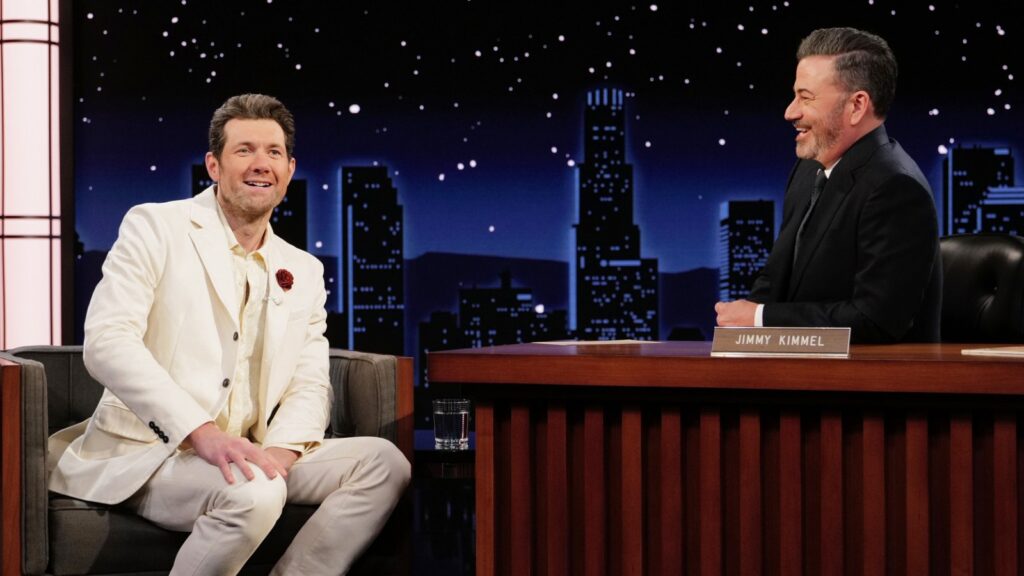
In a fiery commentary, actor and comedian Billy Eichner has weighed in on the suspension of Jimmy Kimmel, labeling it as an egregious affront to fundamental rights in America. His impassioned argument stresses the broader implications of such actions on free speech and individual freedoms, transcending political affiliations and personal beliefs. The controversy brings to light the delicate balance between media freedom and corporate influence, sparking a national debate about the core tenets of democracy and personal liberty. Eichner’s perspective urges citizens to recognize and combat the potential ripple effects of this incident.
Freedom of Expression Under Threat
Jimmy Kimmel’s suspension is seen by Eichner as a profound violation of every American’s fundamental rights. The impact, he insists, goes beyond party lines and touches the very essence of what it means to live freely in the United States. “It affects every single American’s ability to lead the life they want to lead,” Eichner argues, emphasizing that the consequences extend far beyond the realm of late-night television.
Eichner highlights the love many Americans have for the freedoms offered in their country, freedoms that are now seemingly at risk. With reports of governmental overreach becoming more common, he expresses concern over the increasing inability to express oneself without fear of reprisal. “We want to keep living in a country where you can say what you think,” he asserts, underscoring the importance of speaking up against these developments.
A Broader Implication
The issue, Eichner stresses, transcends individual celebrities or media figures. “The message I want to send is that just because you’re not a professional comedian or you’re not in Hollywood doesn’t mean you are not deeply affected,” he cautions. The potential silencing of famous voices could pave the way for more widespread suppression among average citizens without the same resources to defend themselves.
By focusing public conversations around high-profile figures like Jimmy Kimmel, Eichner warns against accepting a divide between perceived elites and the rest of the population. He argues that the danger is real for everyone, not just those in the limelight. “If it can happen to someone as wealthy and powerful and visible as Jimmy Kimmel, think about what they’re willing and able to do to any average American,” Eichner reasons.
The Role of Media and Corporations
Concerns also arise over the influence corporations may wield in shaping public discourse. Eichner points to the role of media conglomerates and regulatory bodies, suggesting that economic interests potentially impact what content is produced and broadcast. He notes, “This is just the tip of the iceberg,” implying that pressure from regulatory figures and corporate interests threatens more than just the entertainment industry.
Eichner calls out major corporations like Disney, appealing to them to resist caving to political pressures. “If you think that it is worth it to just give Trump and Carr this temporary win… you’re wrong,” he says, urging them to consider the broader ramifications of compromising on free expression principles.
Call to Action
Ultimately, Eichner’s commentary is a rallying cry for widespread activism beyond celebrity involvement. He emphasizes the need for ordinary citizens to engage in ethical, nonviolent advocacy. “It matters even if you don’t have a big following,” he insists, encouraging people to speak up in their own circles, whether through protests, social media, or conversation.
By spotlighting the suspension of Jimmy Kimmel as emblematic of a larger battle over free speech and individual rights, Eichner hopes to galvanize public awareness and action across the country. His message is clear: Every voice counts, and it is crucial to speak out to safeguard the rights that define American life.