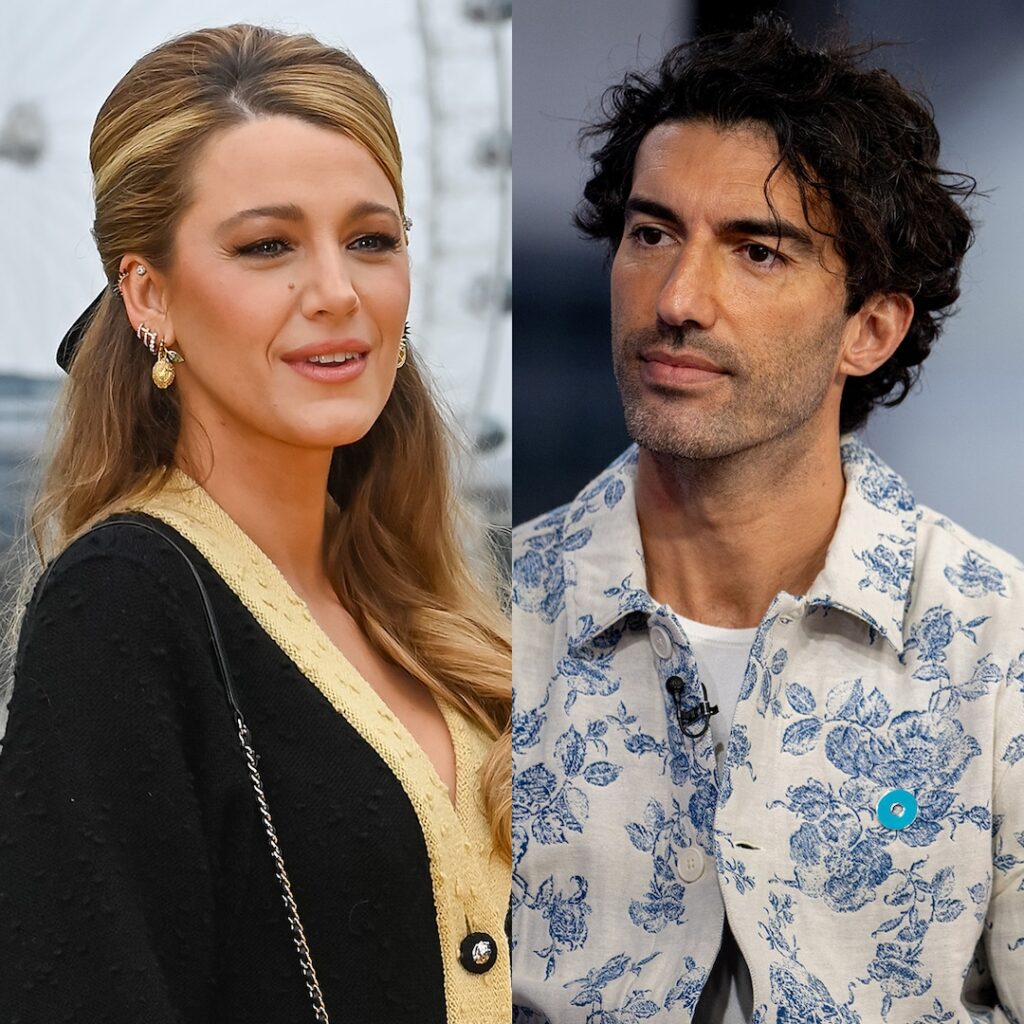
In a dramatic turn of events in Hollywood, Blake Lively and Justin Baldoni are at the center of a high-stakes legal battle involving a $250 million countersuit. The issue stems from a lawsuit filed by Baldoni, Wayfarer, and several others against The New York Times. This legal tangle points to allegations and counterclaims revolving around a controversial article involving both high-profile actors. The developments have attracted significant attention, highlighting the importance of media accuracy and responsibility.
The Legal Battle Unfolds
On December 31, Baldoni, along with Wayfarer, filed a lawsuit accusing The New York Times of libel and invasion of privacy over an article alleging a smear campaign against Lively. According to documents revealed by E!, the plaintiffs claim the piece was based on Lively’s complaint, accusing them of acts that were “false” and misleading.
The suit argues that Lively’s narrative was taken out of context, asserting that the publication ignored substantial evidence contradicting her claims. “Despite its claim to have ‘reviewed these along with other documents[,]’ the Times relied almost entirely on Lively’s unverified and self-serving narrative,” states the lawsuit.
Accusations and Allegations
At the heart of the lawsuit is the assertion that Lively engaged in what the plaintiffs describe as a calculated smear campaign. However, Lively has firmly denied these allegations. The legal action from Baldoni and his co-plaintiffs seeks millions in damages, emphasizing the impact of what they claim to be misleading reporting on their reputations and careers.
In contrast, The New York Times stands by its reporting, with a spokesperson stating the news outlet would “vigorously defend against the lawsuit.” The newspaper maintains that its article was “meticulously and responsibly reported,” relying on a comprehensive review of original documents, including text messages and emails featured extensively in their story.
Media Responsibility and Public Perception
This legal tussle highlights broader issues of accountability in journalism, particularly when high-profile figures are involved. The stakes in this case underscore how crucial it is for media organizations to ensure thorough research and balanced reporting to uphold their credibility.
The outcome of this lawsuit could have significant implications not only for those directly involved but also for media practices and celebrity privacy. As the legal process unfolds, the entertainment and media industries keenly await further developments, which are sure to capture public attention and debate.