In a significant move to address concerns from the entertainment industry, OpenAI has introduced critical updates to its Sora 2 platform, earning praise from SAG-AFTRA, influential talent agencies like CAA and UTA, and acclaimed actor Bryan Cranston. These adjustments aim to enhance protections for actors’ voices and likenesses, which had been at risk of unauthorized use.
Enhanced Protections Win Industry Approval
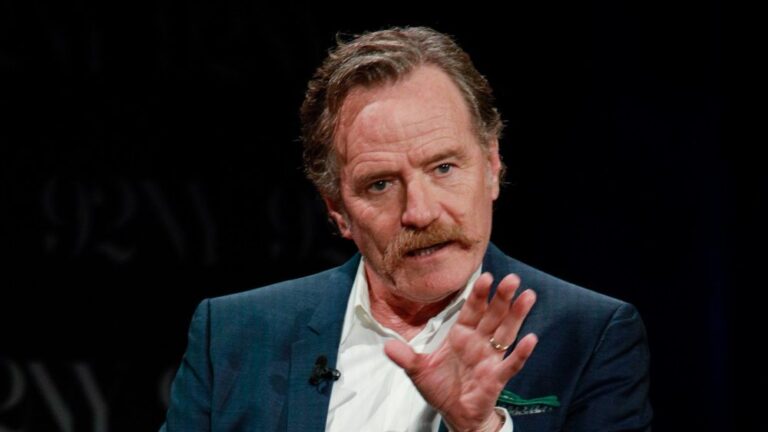
Bryan Cranston was among the first to voice his concerns about the Sora 2 platform, which initially allowed users to create his likeness without consent. His worries were shared widely among actors and representatives. However, the latest changes by OpenAI have been welcomed by Cranston, who expressed gratitude for the new safeguards.
“I was deeply concerned not just for myself, but for all performers whose work and identity can be misused in this way,” Cranston stated. “I am grateful to OpenAI for its policy and for improving its guardrails, and hope that they and all of the companies involved in this work, respect our personal and professional right to manage replication of our voice and likeness.”
Initial Concerns and AI Misuse
Following Sora 2’s launch, a viral video showing an imagined interaction between late pop icon Michael Jackson and Cranston’s “Breaking Bad” character, Walter White, highlighted potential misuse. The clip caught the attention of Cranston’s team at UTA and Sony Pictures Television, leading to increased scrutiny of the platform.
Agencies like CAA and UTA were proactive in raising alarms, noting the potential for copyrighted characters to be exploited without permission. OpenAI has since engaged in productive discussions with industry stakeholders to resolve these concerns.
Support from SAG-AFTRA and Legislative Efforts
SAG-AFTRA, along with the engaging agencies, commended OpenAI’s commitment to protecting actors’ rights. Union president Sean Astin acknowledged the risk of “massive misappropriation” posed by AI technologies but applauded the resolution in Cranston’s case. “Bryan did the right thing by communicating with his union and his professional representatives to have the matter addressed,” Astin said. With the revisions, artists now have the option to opt-in for their likeness use on the platform.
OpenAI has also backed the No Fakes Act, a proposed federal law aimed at banning non-consensual digital replicas. SAG-AFTRA has prioritized this legislation to ensure protection beyond state-level laws.
CEO Sam Altman reinforced OpenAI’s commitment: “We were an early supporter of the NO FAKES Act when it was introduced last year and will always stand behind the rights of performers.”
Looking Forward
OpenAI’s improvements to Sora 2 mark a vital step in protecting creative professionals from the unauthorized use of their voice and likeness. By allowing performers to have greater control and opting into the platform, OpenAI addresses past concerns and sets a precedent for future technological advancements in the industry. These changes have been a positive reassurance for many in the field, highlighting the ongoing conversation about digital rights and AI technology.