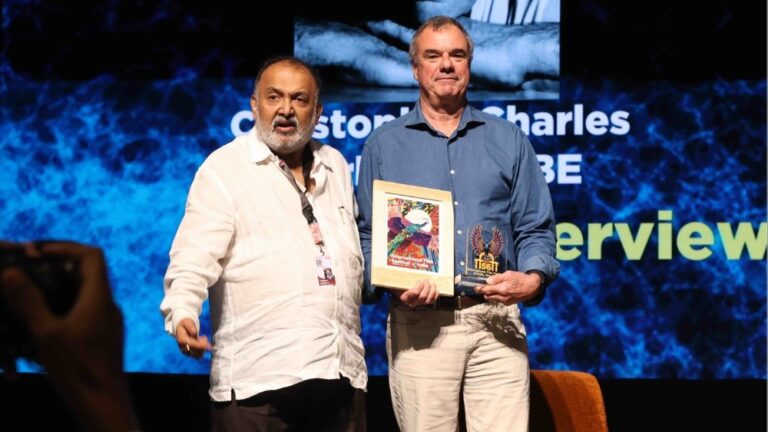
Renowned for his groundbreaking work in films like James Bond and Batman, Oscar-winning special effects supervisor Chris Corbould recently shared insights into the art of practical spectacle at the International Film Festival of India. Corbould, a master in blending physical effects with storytelling, emphasized the enduring power of tangible cinematic magic over digital trickery, a principle that has guided his illustrious career.
The Magic Behind the Scenes
During a masterclass moderated by Variety’s Naman Ramachandran, Corbould delved into four decades of cinematic engineering, highlighting his journey from iconic tank chases to awe-inspiring controlled explosions. He insisted that the emotional impact of a film still relies heavily on what can be achieved physically on set. Drawing from his experiences with James Bond and Christopher Nolan films, he maintained that practical effects should be prioritized, with digital solutions enhancing the narrative rather than dominating it.
Collaboration Over Replacement
Corbould, who received an Oscar for his work on “Inception,” underscored his consistent philosophy: true cinematic magic emerges from collaboration. He warned against an over-reliance on digital effects, stating, “Digital is a fantastic tool, but the minute you rely on it for everything, you start losing the emotional connection.” His dedication to in-camera effects ensures that audiences feel a genuine connection to the action unfolding on screen.
Innovative Approaches to Iconic Scenes
In his creative process, Corbould begins by closely reading the script to push originality. His approach has led to iconic scenes, such as the transformation of a motorbike chase into a tank sequence in “GoldenEye.” While discussing “No Time To Die,” he described scaling back a car chase to preserve the emotional tension: “What I learned over the years is, don’t get people going into a film just to see a spectacular effect. Everything should dovetail together.”
Partnership with Christopher Nolan
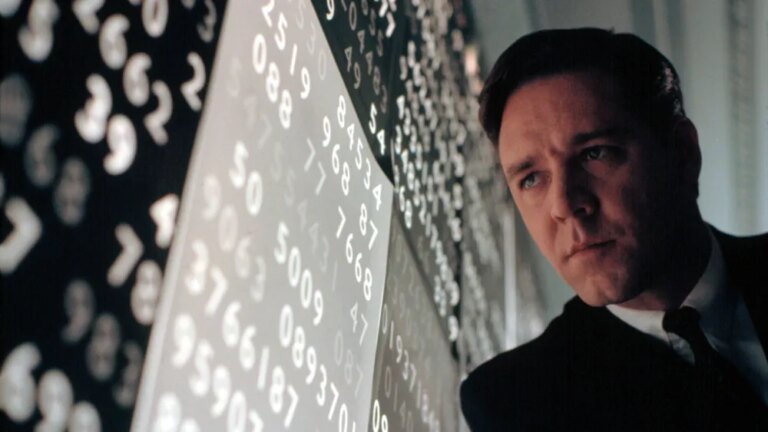
Christopher Nolan’s influence is a cornerstone of Corbould’s career. Their collaboration thrives on the belief that digital effects are a last resort, used only when physical effects are unattainable. This shared vision produced the iconic truck flip in “The Dark Knight” and the mesmerizing rotating corridor in “Inception.” Corbould revealed his initial skepticism about the truck flip, but Nolan’s insistence on realism pushed the project forward. “He pushes you to your absolute limits,” Corbould remarked.
The Future of Physical Effects
Despite his reputation, Corbould clarified that explosions are the most stressful part of his job, relaxing only once they’re over. He shared insights into complex stunts like the massive sinking house in “Casino Royale” and the record-breaking desert explosion in “Spectre,” emphasizing that safety and meticulous planning are non-negotiable priorities. Looking ahead, he expressed optimism about emerging AI tools, hoping directors will continue to value the physical craft alongside new technologies.