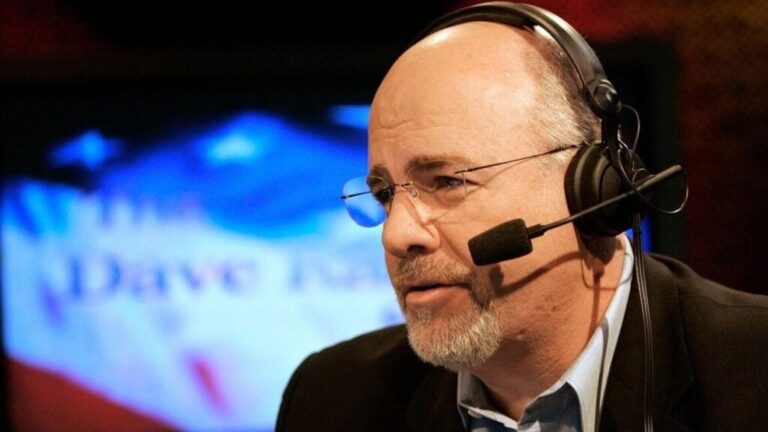
In a candid reflection on his past, personal finance expert Dave Ramsey revealed that he’s still grappling with the emotional remnants of his bankruptcy nearly four decades later. Addressing the lingering effects of financial turmoil, Ramsey shared an impactful anecdote during a recent episode of his “EntreLeadership” podcast. His insights resonate deeply with individuals navigating their financial recoveries, revealing that the shadows of bankruptcy can persist long after the financial crisis has been resolved.
The Emotional Toll of Bankruptcy
Dave Ramsey emphasized that the emotional aftermath of his bankruptcy continues to affect him. Responding to a caller named Paul, who had recently overcome his own financial hurdles, Ramsey underscored that true relief often comes much later than anticipated. Paul, who operates an audiovisual and rental business in Alberta, narrated his struggles as his once-thriving firm experienced severe setbacks due to the pandemic.
A Struggling Business Faces Hardships
Paul shared, “My bank called me up one day and said, ‘We are limiting our relationship,’ and gave me 10 days to pay our commercial mortgage.” As a result, the building sold in 2024, but Paul was left with a significant shortfall that forced him to sell his personal home. Even after negotiating a CA$90,000 loan to settle his debt, he found himself questioning the relief he thought he would feel post-bankruptcy. “I felt I was going to have a weight lifted off my shoulders and it didn’t happen,” he expressed, prompting Ramsey to delve into his own tumultuous experience.
Ramsey’s Personal Journey
At 28 years old and with a newborn, Dave Ramsey detailed his own bankruptcy journey. He revealed that the emotional impact hit him most profoundly once it was all said and done. “When I filed, I was driving away from the lawyer’s office, and two stoplights later, I felt like I had sat down 500 pounds,” he recalled. This weight symbolized not just financial relief but the culmination of years spent battling multiple creditors and facing overwhelming anxiety.
Forgiveness and Moving Forward
Ramsey articulated a significant part of his recovery: self-forgiveness. “I lashed myself over and over again with the lash—metaphorically,” he stated, emphasizing how it took considerable time for him to lift the label of failure he had placed on himself. As he gradually learned to give himself grace, Ramsey recognized an essential truth: “You’re not as good as you used to think you were, but you’re not as bad as this part of the story says you are.” This experience ultimately shaped his financial philosophy, leading him to avoid borrowing money in the future.
Lessons Learned
Paul’s journey resonated with Ramsey, who pointed out that his struggles stemmed from a debt mistake rather than a business failure. “You didn’t fail at business. You failed at real estate,” he advised, emphasizing that Paul still had a viable business. Along with offering perspective on shared blame for the situation, Ramsey left Paul with a reassuring message: “You’re a good man. This is just something that happened to a good guy. Move on with that.”
The emotional scars of financial hardship can linger, as illustrated by Dave Ramsey’s enduring reflections on his bankruptcy nearly 40 years ago. His insights are a powerful reminder of the complex emotional landscape that often accompanies financial recovery, encouraging many to embrace resilience and self-compassion in their journeys toward stability.