In a significant move for the entertainment industry, members of Congress are in the process of drafting a new piece of legislation that proposes a 20% federal film and TV production incentive. This initiative, which President Trump endorsed last week, could have bonuses that elevate the total incentive to as high as 30%.
Legislative Details and Bipartisan Support
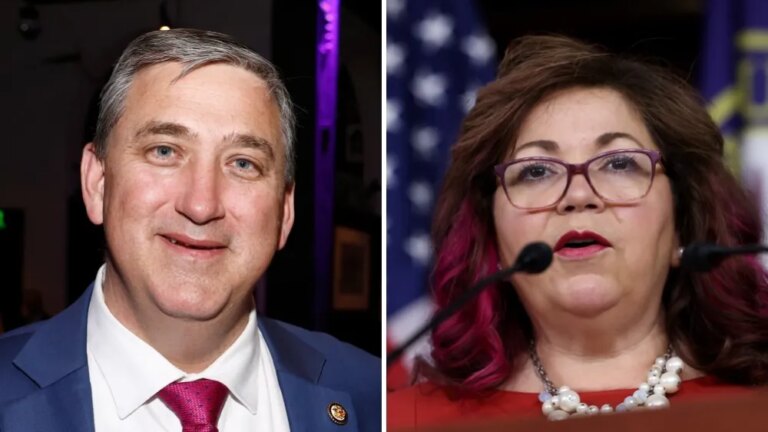
Sources close to the legislative process indicate that the bill is likely to be introduced by the end of next week. The initiative is being spearheaded by Rep. Nathaniel Moran, a Republican from East Texas, alongside Rep. Linda Sanchez, a Democrat from Whittier, California. Both representatives serve on the House Ways and Means Committee, which oversees tax legislation. Additionally, Rep. Laura Friedman, a Democrat from Burbank, California, is collaborating with Rep. Brian Jack, a Republican from the Atlanta suburbs, highlighting a strong bipartisan effort.
Motivation and Competition with Other Nations
For over a year, the Motion Picture Association (MPA) and various entertainment unions have been lobbying for a tax incentive that can rival the lucrative subsidies offered by countries such as the U.K., Canada, and Australia. Trump’s endorsement is viewed as a catalyst that may galvanize Republican support in Congress.
The Incentive Structure
The proposed bill aims to align closely with the MPA’s goals. It will offer a base credit of 20% on all labor costs across various forms of media, including reality TV, animation, films, and scripted television shows; however, news and sports broadcasts would not be eligible. Furthermore, the legislation includes four additional incentives, or “uplifts,” that could provide an extra 5% for productions meeting specific criteria:
- Filming in a rural opportunity zone
- Creating an independent production
- Bringing filming back to the U.S. from abroad
- Spending at least $10 million in ten different states within a year
Producers can qualify for up to two uplifts, potentially raising the total credit to 30%. This federal tax credit can be utilized to offset federal income tax liabilities, or it may be sold to other taxpayers but is not refundable.
Economic Impact and Broader Reach
Proponents argue that this incentive would benefit not only the major production hubs like Los Angeles and New York but also rural areas that typically see minimal filming activity and lack significant state tax incentives. The goal is to decentralize film production, mimicking how state incentives in California and New York have garnered support from rural lawmakers by incentivizing filming outside urban centers.
Future Prospects and Coalition Building
Supporters express optimism about advancing this legislation through Congress, with hopes it may be included in a tax bill during the upcoming lame duck session after the November elections, although discussions may extend into next year. Representative Friedman conveyed enthusiasm about the momentum gained after Trump’s involvement, stating, “I can’t tell you the number of texts that have come in from people who have offered to help.” She is focusing on building a coalition to support the initiative across various states.
The MPA is poised to publish a report in the near future that aims to underscore the economic benefits of such production incentives, suggesting that the investment would ultimately yield substantial returns by boosting local economies.
As the legislative process unfolds, the proposed 20% federal film incentive represents a significant opportunity to enhance the competitive stance of the U.S. film industry on the global stage, ultimately enriching communities nationwide.