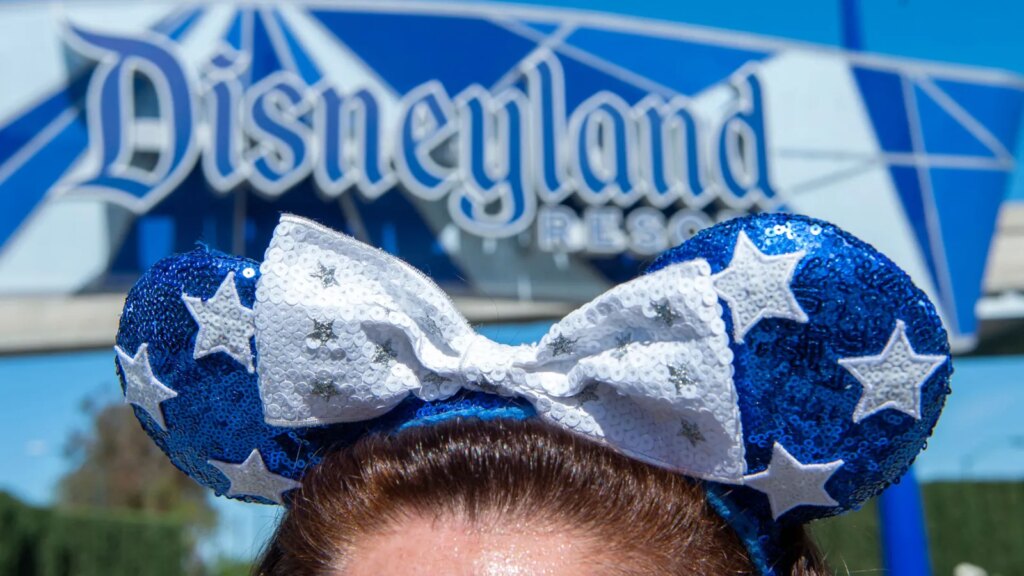
In the whimsical world of Disney, the line between fantasy and reality often blurs, particularly for dedicated fans. A striking example of this phenomenon has emerged with TikToker Toni Kulusich, known as @babytoni99, who has captured significant attention for her videos featuring Peter Pan at Disneyland. While what may appear as a simple character meet-and-greet has ignited a lively debate online, prompting discussions about the boundaries of fandom, Kulusich maintains her innocent love for the character is just that—a harmless passion.
Viral Fandom or Crossing the Line?
In a recent interview with Wired, Kulusich, 27, shared her journey of becoming a viral sensation after posting a video where she gifts Peter Pan a tiny crocheted duck. The video transitioned her view count from 10,000 to over a million, transforming her online presence overnight. However, with that fame came a flood of criticism, particularly aimed at certain clips where she embraces Peter Pan with affectionate gestures, including a kiss on the cheek and down-on-one-knee proposals. Still, many of her videos display light-hearted moments, such as her skipping through Fantasyland with Peter, suggesting a friendly rapport.
Kulusich emphasizes that her enthusiasm for Disney differs from her everyday life. “It’s not like I’m going to the store or to my job and thinking about Peter Pan,” she stated, referring to her role as a manager at a retail store. “While at Disney, I’m able to release my inner child and embrace the joy of not wanting to grow up.” Despite her husband, a Marine, being supportive of her hobby, Kulusich’s content has ignited conversations about the behaviors of “Disney adults” and what is deemed appropriate at theme parks.
The Disney Experience: Joy and Boundaries
With twelve Disney parks globally, visitors flock for attractions, entertainment, and, importantly, character interactions. These encounters range from “face characters”—performers who blend their identities with their roles—to “fur characters,” who don full-body costumes to embody iconic animated figures. For many, these experiences bring immense joy, but as Kulusich’s situation demonstrates, they can also lead to a significant and often uncomfortable overlap with personal boundaries.
Reflecting on her past as a character attendant at Disney World in 2016, the author recalls a pattern of troubling behavior that can sometimes manifest among overly devoted fans. One recurring visitor, labeled a “stalker,” would regularly approach various princesses, presenting gifts, making special requests, and seeking unwarranted physical affection, raising concerns among cast members. Such instances illustrate the difficult line between admiration and obsession in the world of Disney fandom—especially for characters played by women, who often receive more intense attention.
The Role of Social Media
Justin Sanger, a former Disney performer who portrayed various characters for nearly a decade, shared how the rise of social media has changed fan interactions. “People feel more connected to a character—or the person portraying them,” he stated, highlighting the shift toward deeper attachments. While most engagements are benign, some fans have been known to cross boundaries, displaying possessive behavior. Sanger noted that characters from The Incredibles often receive extreme attention, including inappropriate comments and requests for private meet-and-greets. These situations eventually led to measures that barred specific overly affectionate guests from meeting character performers.
The Balance Between Fun and Obsession
Rob Millerick, who played Nick Wilde from Zootopia, experienced similar troubles. What began as light-hearted enthusiasm escalated into aggressive obsession from certain guests. As the same attendee began showing up frequently, the atmosphere transformed from cheerful to threatening, leading Millerick to resign. He expressed frustration over the lack of support from management, who often missed witnessing the troubling behavior.
Despite these challenges, many Disney performers, including Sanger, believe there isn’t anything inherently wrong with being a Disney adult. “Stalking and possessiveness are,” he clarified, stressing that enjoying the magic of Disney should not come at the cost of another person’s comfort and safety.
Finding Happiness in Fandom
As Kulusich continues to navigate her viral fame and the surrounding controversy, she expressed her desire to simply enjoy her time at the park without seeking Peter Pan deliberately. Upon her return, she noted that when she saw him again, he waved at her, reinforcing that shared moments of joy can persist amidst the scrutiny.
Ultimately, while extreme behaviors can detract from the magic of Disney, for many, such experiences serve as an essential escape from reality. As long as there’s a balance, the enchantment of Disney continues to inspire and uplift.