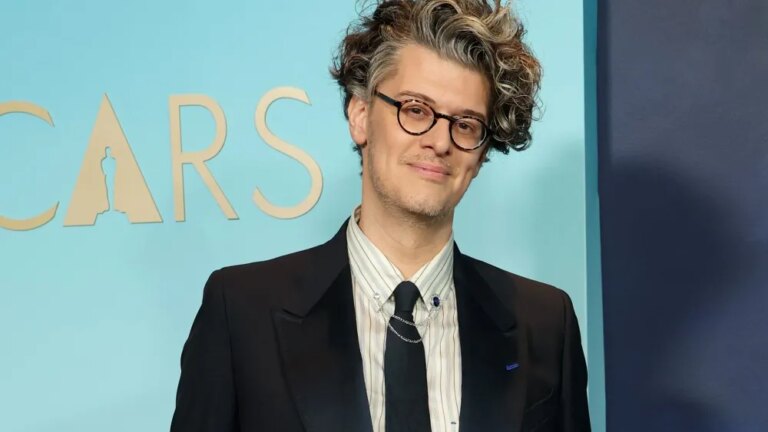
One of the standout elements of the film Project Hail Mary is the character Rocky, a charming rock-like creature brought to life by James Ortiz, whose captivating performance has resonated deeply with audiences. It’s no wonder that many viewers found themselves emotional while watching the film, thanks in large part to Ortiz’s remarkable skill and artistry.
As reported exclusively by Variety, Amazon MGM plans to submit Ortiz for Best Supporting Actor at the 99th Academy Awards for his outstanding portrayal of Rocky. This announcement ignited significant buzz on social media, with TikToks, Instagram Reels, and film Twitter buzzing with demands for Ortiz’s Oscar nomination. Mike Sawicki of the “Mike, Mike and Oscar” YouTube channel encapsulated the excitement by urging that someone needs to “get this adorable rock creature nominated for an Oscar immediately.”
The enthusiasm around Ortiz’s performance even reached NBC’s “Today” show, where Carson Daly highlighted the growing Oscar campaign. Reflecting on the overwhelming response, Ortiz, during a recent appearance on the Variety Awards Circuit Podcast, expressed a mixture of disbelief and gratitude: “Did this actually happen? It feels like it happened to somebody else two years ago.”
On the podcast, Ortiz delves into the intricacies of crafting Rocky through his puppetry. He shares insights into the eight weeks spent translating subtext into movement and the collaborative process with Framestore’s animators. Ortiz explains his aspirations for Hollywood to better recognize and safeguard puppetry, recalling how working with directors Phil Lord and Chris Miller felt like “putting on a play in their parents’ garage.” He also reminisces about his childhood obsession with “Batman Forever,” illustrating the deep-rooted passion that fuels his artistic journey.
Project Hail Mary, which opened in March, marked a significant achievement for Amazon MGM, grossing over $680 million worldwide. At the heart of this blockbuster, opposite Ryan Gosling’s character, Ryland Grace, is Rocky—a triumph of puppetry. Initially, Ortiz was brought on to operate Rocky, with plans for a more famous voice to be added later. However, in a pivotal twist, Ortiz ultimately provided Rocky’s voice.
Born in Albany and raised in Texas, Ortiz’s journey in the arts began with classical training at Purchase College. Although early in his career, an agent predicted he wouldn’t land significant roles until he was 40, destiny smiled upon him as he turned 40 just months before filming began. His theatrical accolades, including an Obie Award for The Woodsman and work on Broadway revivals like Into the Woods, have paved the way for his film debut in Project Hail Mary.
What sets Ortiz apart is his perspective on puppetry as a form of acting. He meticulously analyzes scripts like a traditional actor, emphasizing that the difference lies in his expressions being funneled through a puppet’s exterior. This sparks a crucial discourse around performance recognition, drawing parallels to the past discussions surrounding icons such as Frank Oz’s Yoda and Andy Serkis’ Gollum. Ortiz argues for the importance of acknowledging puppeteers, citing their performances that deserve consideration for awards alongside their on-screen counterparts.
“I’m not campaigning for a trophy,” Ortiz clarifies, “but rather for recognition of the craft.” His dedication to character creation is palpable. He aims not just to entertain but to cultivate a genuine connection that transcends the character’s surface. Ortiz encourages industry discussions about puppetry’s artistic validity, a sentiment echoed by his experiences working with the creatives at Amazon MGM, who challenged traditional norms and embraced innovation on the set.
Reflecting on his collaboration with his team of puppeteers and actors, Ortiz describes it as a shared performance rather than a solo one—an experience that acknowledges the collective contribution to character development. His work continued post-filming as he provided valuable insights to Framestore animators, ensuring Rocky’s character was faithfully represented in CGI.
The conversation around puppetry, especially in connection with Ortiz’s work, is gaining momentum, with Ortiz advocating for more attention toward this often-overlooked art form. Tapping into his roots, Ortiz credits Andy Serkis’ influence in shaping his approach to Rocky, recognizing the importance of learning from predecessors in the realm of puppetry and performance.
The response to Ortiz’s Oscar eligibility has been overwhelming. “I can’t process any of it,” he admits, emphasizing the ongoing conversation about puppetry’s place in the industry and the importance of celebrating the collaborative efforts behind creating captivating characters. “Every individual involved in this project contributed their talent, passion, and dedication.”
Reflecting on his childhood inspirations, Ortiz recounts a mix of nostalgia and surprise at his fascination with “Batman Forever,” while sharing his love for music, drawing, and storytelling, which all play a role in his journey as a puppeteer and actor. Ortiz’s embrace of his experience has made the collaborative art of puppetry not only a profession but a fulfilling avenue for creative expression.
As he looks to the future, Ortiz emphasizes the necessity of acknowledging all contributors in the artistic process, ensuring that every character on screen is a result of collective creativity. In the world of entertainment, where characters often receive individual accolades, Ortiz’s passion for community within puppetry leaves an indelible mark on his work and the industry.