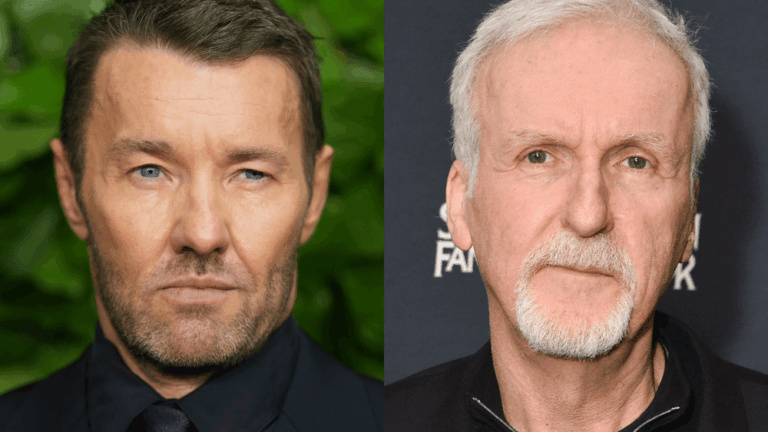
In the world of cinema, debates about what qualifies as a legitimate film experience are as perennial as the Oscars themselves. Recently, these discussions intensified when Joel Edgerton openly criticized James Cameron‘s assertion that films without theatrical releases shouldn’t qualify for the Oscars. This dialogue highlights a tension between traditional cinema and the evolving landscape of streaming platforms like Netflix, which has reshaped how audiences consume content. As these industry giants clash, the future of film recognition remains a hot topic.
The Debate Over Oscar Eligibility
At the Gotham Awards, Joel Edgerton challenged James Cameron’s view that only films with theatrical runs should be Oscar-eligible. He emphasized the importance of inclusivity, remarking, “None of us should be squabbling with each other over what has a right to be seen or awarded or part of a conversation — because there are some people that only get their chance because of streamers.” Edgerton’s latest project, Netflix’s “Train Dreams,” exemplifies this streaming-first approach.
Cameron, on the other hand, questioned Netflix’s strategy, calling it “fundamentally rotten at the core” during a podcast. He believes movies should be crafted for theaters, stating, “The Academy Awards to me mean nothing if they don’t mean theatrical.” This perspective underscores a fundamental difference in how these directors view the medium.
Streaming vs. Theatrical Releases
Netflix, a key player in this debate, has reshaped the Oscars landscape since “Roma” in 2019, accruing 10 best picture nominations despite their limited theatrical releases. Upcoming Academy rules for 2025 will require a dual strategy: a one-week qualifying run and an extended expansion in specific U.S. markets. While some argue this supports cinema traditions, others, like Edgerton, worry this might disadvantage smaller productions without the resources for extensive releases.
Edgerton sees Cameron’s stance as a call for cinema’s survival, but argues it could inadvertently limit opportunities for storytellers reliant on streaming platforms. “James is one of the greats… but saying that people whose only chance is to get their movies made on a streamer shouldn’t have a chance to also be seen and heard?” he argued, acknowledging the necessity of diverse storytelling avenues.
The Shift in Audience Preferences
The shift in viewing habits, especially post-pandemic, has been significant. A survey found that about three-quarters of U.S. adults watched new releases via streaming, indicating a change in how audiences prioritize their viewing experiences. Even as theaters reopen, the convenience of home viewing remains appealing, challenging traditional cinema.
“No Other Choice” director Park Chan-Wook also weighed in, reflecting on the impossibility of ignoring streaming’s impact: “Because of the increasing number of great films that have been made for streaming, I just don’t think that fits in with the reality… right now.” This sentiment mirrors Edgerton’s pragmatic approach to the evolving industry.
A Changing Industry Landscape
Edgerton shared a personal reflection: while cinema holds a special place, many of his favorite films were discovered outside theaters. “I’ve died on the hill of cinema a few times… most of my favorite movies were made in the 70s…[and watched] on a VHS cassette on a lousy TV,” he said.
Ultimately, he acknowledges the balance between preserving cinema’s legacy and embracing new platforms, stating, “I would still semi-die on a hill for cinema. But I’m also a pragmatist.” This perspective highlights the evolving nature of how stories are told and appreciated in a digital age.