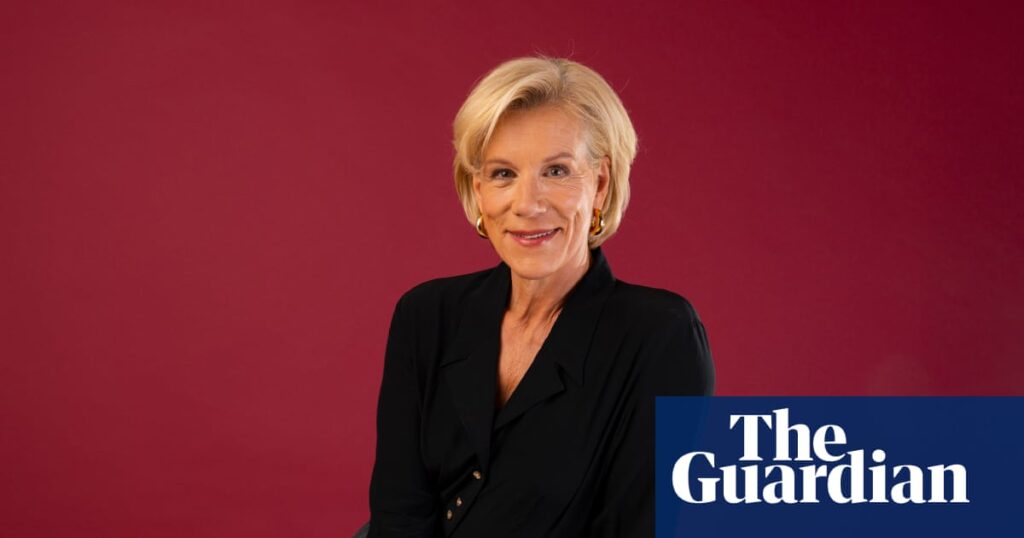
In her recent reflections, acclaimed actress Juliet Stevenson shared her experiences filming “Dustfall” in Australia, revealing what she found most captivating about the country and her role in the film. From working with a python to experiencing the warmth and openness of Australian culture, her insights offer a glimpse into her unique artistic journey.
Embracing the Australian Experience
Stevenson fondly recalled her unique Australian experiences, particularly her work with a python, saying, “We don’t tend to work with snakes in the UK. I’m absolutely snake phobic but the python was very professional. Behaved better than I did.” She went on to describe the remarkable openness of the Australian people, highlighting their “glass half-full approach” which mirrors the vast, generous landscape of the country.
Stepping Outside Her Comfort Zone
In “Dustfall,” Stevenson plays the mother of Anna Torv’s character, a role she consciously sought out to challenge herself. “I do [seek out challenging roles], because it’s very boring playing characters who are close to myself. I didn’t become an actor because I wanted to play me!” she explained. For Stevenson, portraying Olivia—who is rather hands-off as a mother and exhibits reckless behavior—was a departure from her own parenting style.
Stevenson also humorously acknowledged the challenges of acting drunk and stoned, claiming, “I’ve only ever been stoned once in my life. It just didn’t appeal to me.” This honesty underscores her commitment to authenticity in her performances.
A Lasting Impact and Fan Connections
Fans often approach her with fond memories of her role in “Bend It Like Beckham,” a film she initially doubted due to its “rubbish title.” However, once she read the script, she was enamored with its humor and poignant narrative about the dualities faced by British Asian girls, stating it was “a really beautiful film.” Stevenson expressed her joy at connecting with young Asian women who resonate with its themes.
Stage vs. Film: Finding Fulfillment
When reflecting on her most fulfilling roles, she expressed a profound connection to her theater work, emphasizing the freedom it provides. “Nobody can stop you. Nobody can edit you,” she said. Her role in the Robert Icke play “The Doctor” stands out as particularly memorable, alongside the legacy of “Truly Madly Deeply,” a film that dives deep into the raw and often unglamorous experience of grief, which she feels was authentically portrayed.
Balancing Personal Interests and Professional Aspirations
Stevenson humorously revealed that she considers herself a good driver, a mediocre cook, and an enthusiastic, albeit not particularly skilled, artist. “I think I’m quite a good parent,” she cheerfully added, “I hope that’s not too secret!”
Unfulfilled Ambitions and Political Engagement
Looking back on her career, Stevenson recounted her disappointment at not securing the role of Margaret in Merchant Ivory’s “Howards End,” after a deeply personal loss made her audition challenging. “I think I’ve never got a job that I desperately wanted from an audition,” she remarked, candidly acknowledging the unpredictability of casting director perceptions.
Stevenson also reflected on her political activism, identifying several influential figures she views as nemeses, including Vladimir Putin, Elon Musk, and Donald Trump. “I’m quite politically active,” she noted, highlighting her long-standing engagement with social issues and her distress at the current rollback of women’s rights and human rights globally.
Memorable Connections with Fans
One of Stevenson’s most unforgettable interactions with a fan occurred following “Truly Madly Deeply.” In a flower shop, she was approached by a woman whose daughter had recently passed away. “For her, the film had been an incredible catharsis,” she recalled, highlighting the profound connection they shared despite being strangers. The deep conversation they had left a lasting impression on Stevenson, demonstrating the film’s impact on its audience.
Adventures for Love
Stevenson’s life is also marked by adventurous moments shared with her husband, anthropologist Hugh Brody. She recalled a surprising bareback horse-riding expedition during their stay with a chief in Canada, despite her lifelong fear of riding. “I thought, I like to be out of my comfort zone, but this is a little too far out!” she admitted, illustrating the spontaneous adventures that love can inspire.
Juliet Stevenson’s reflections offer a rich tapestry of experiences as an artist and a person, full of humor, introspection, and a commitment to embodying diverse characters—all while staying true to her beliefs and passions.