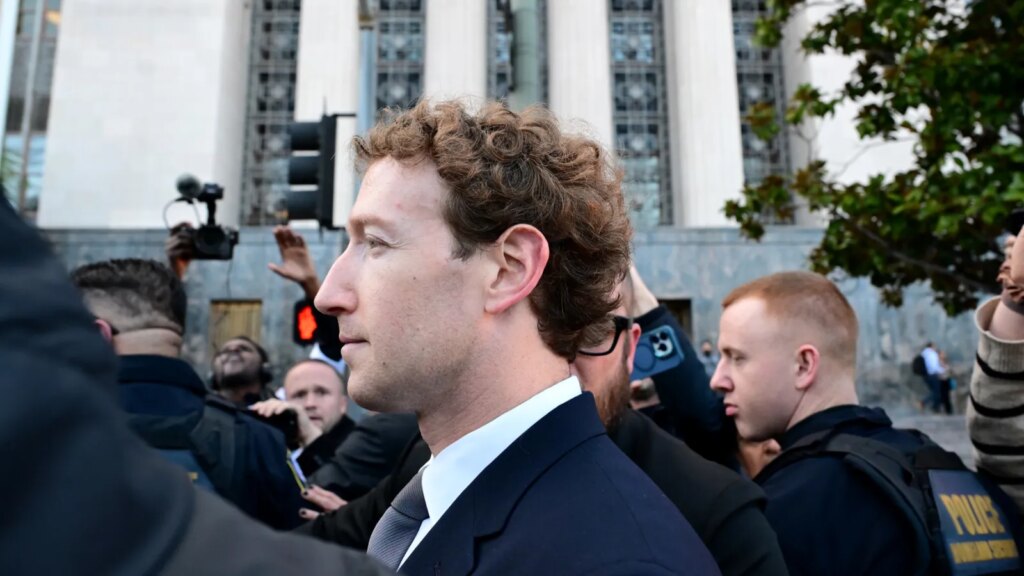
In a pivotal legal case, major tech companies Meta and YouTube have been found negligent, with their platforms deemed ‘dangerous’ to minors. The verdict, reached by a Los Angeles jury, granted $3 million in damages to a young woman who claimed these platforms caused her significant harm during her childhood. This case marks the first trial among numerous personal injury lawsuits targeting social media giants. With CEO Mark Zuckerberg testifying, this decision sets a critical precedent for future legal battles over the impact of social media on youth.
The Landmark Verdict
In a groundbreaking trial, a young woman known by her initials, K.G.M., was awarded $3 million after a jury found that Meta and YouTube contributed significantly to her struggles with anxiety, body dysmorphia, and other mental health issues. The jury attributed 70% responsibility to Meta and 30% to YouTube. Emotional scenes ensued outside the courthouse, as the verdict resonated with many families facing similar challenges.
The Case Against Social Media
Lawyers for K.G.M. argued that the addictive design features of Instagram and YouTube—such as infinite scroll, autoplay, and cosmetic filters—played a substantial role in her mental health decline. Described as “digital casinos,” these platforms were accused of exploiting minors through sophisticated algorithms designed to maximize engagement.
Lead trial lawyer Mark Lanier criticized the platforms for their addictive patterns that can negatively affect children’s development. The depiction of these platforms as “pocket slot machines” driving dopamine-driven behaviors highlighted the severe risks posed to young users.
Settlement and Testimonies
Before the trial, TikTok and Snap reached confidential settlements with K.G.M., allowing them to avoid public scrutiny. During testimonies, K.G.M. shared her early exposure to these platforms and the overwhelming compulsion to use them, which deeply impacted her mental health. Despite denials from Zuckerberg, internal documents revealed significant underage use of Instagram, contradicting the platform’s policies.
Implications and Future Trials
This trial serves as a bellwether for thousands of similar cases. Despite facing challenges under Section 230 of the Communications Decency Act, which protects platforms from liability for user-generated content, the plaintiffs’ legal team sees this as a critical step toward accountability. With further trials expected, the case underscores a global scrutiny of social media’s responsibility for the wellbeing of its younger users.