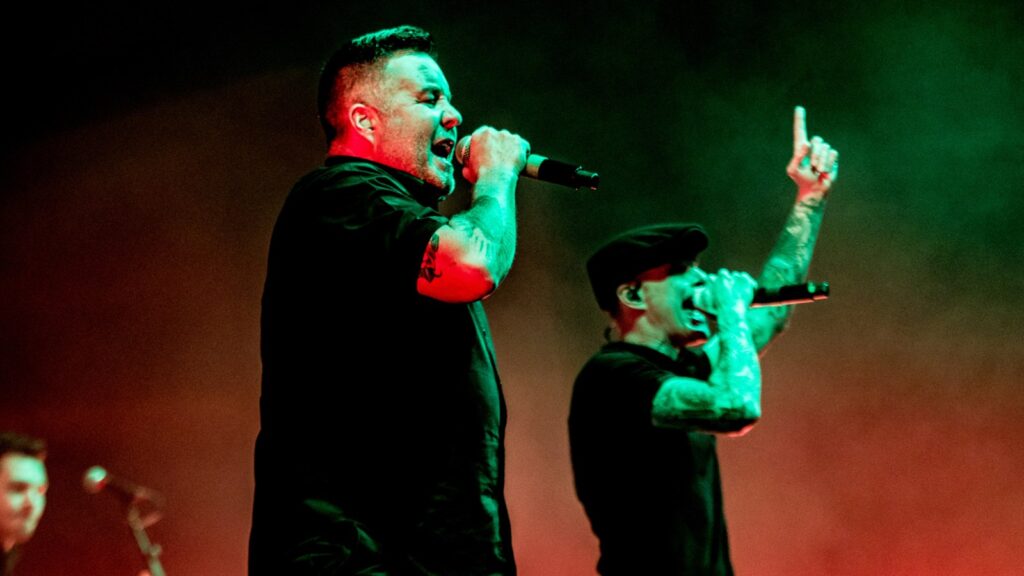
Ken Casey of the Dropkick Murphys has been a vocal advocate for standing against oppression. His recent endorsement of reggaeton superstar Bad Bunny is generating buzz, highlighting his commitment to fighting for what he sees as “true American” values. This intriguing alliance emphasizes Casey’s dedication to using music as a form of resistance and amplifies his call for artists to take a stand against injustice. As public figures face mounting pressure under current political climates, Casey’s support for Bad Bunny reinforces the power of solidarity across diverse musical genres.
Championing Punk’s Anti-Establishment Roots
Massachusetts has long been synonymous with rebellion, and the Dropkick Murphys have been a soundtrack to Boston’s spirit of defiance since the 1990s. Lead singer Ken Casey has consistently pushed back against figures like Donald Trump, urging fellow punk artists to never bow to bullies and to actively resist authoritarianism.
“Punk shouldn’t be a uniform sound,” Casey shared with Rolling Stone. “But the punk I grew up on demanded speaking out against governmental abuse.” His passion extends to advocating for workers’ rights, accusing Trump of abandoning the working class in favor of the affluent. “We have a duty to speak out for America, for punk, and for ordinary people,” he insists.
Collaborating with Home of the Brave
Casey’s latest initiative involves collaboration with the nonprofit Home of the Brave, established by former Republicans to expose the detrimental effects of Trump’s policies. As a member of the advisory board, Casey is fronting a video campaign to encourage activism and community storytelling.
“Why shy away from activism when stakes are higher than ever?” Casey comments in a video for the organization. “This platform amplifies voices, allowing Americans to share their experiences beyond biased media narratives.”
Standing Firm Against Presidential Criticism
Over the past year, Ken Casey and the Dropkick Murphys have been vocal critics of Trump. They’ve dedicated their song “First Class Loser” to him, lambasted his ties to controversial figures like Jeffrey Epstein, and confronted fans opposing their views during performances.
“We’ve always played music for the people,” Casey reflects, highlighting their persistent activism. He longs for unity but emphasizes the necessity of confronting power with truth.
Backing Bad Bunny: A Musical Alliance
Bad Bunny’s selection for the Super Bowl Halftime Show has stirred controversy, met with administrative threats of investigation. Casey has come out in staunch support of the Puerto Rican artist. “After his performance in ‘Happy Gilmore 2,’ I’m all in for him,” Casey remarks. “He embodies what it means to be a true American.”
Casey critiques the administration’s desire to control cultural narratives, praising Bad Bunny for facing backlash with grace. He sees this as a moment to encourage broader activism, advising, “Staying silent might seem safe now, but it will catch up eventually.”