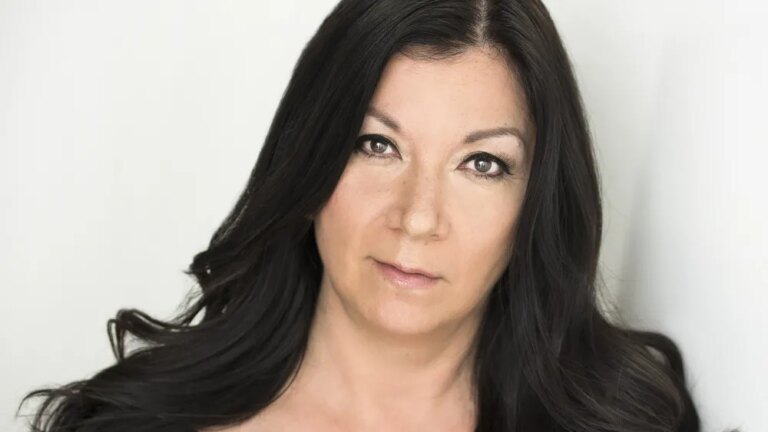
Métis/Dene filmmaker Marie Clements is set to unveil her new three-part musical documentary series, “Reclaim My Skin,” at the Vancouver International Film Festival (VIFF) on October 10. The series delves into the repercussions of colonization on Indigenous women and Two-Spirit people, highlighting their efforts to reclaim their voices through activism, politics, and the arts. The screening follows shortly after Clements received a prestigious award at VIFF for her feature film “Where We Stand.”
Exploring Indigenous Voices Through Music
The genesis of “Reclaim My Skin” emerged from Clements’ conversations with musician and composer Pura Fé, who is featured in the documentary. Fé’s inspiration focused on exploring the loss of power among Indigenous women and their resilience in creating substantial change. As Clements reflected, “I just kind of felt that the cellular level of the power of women is extraordinary. And you definitely feel it when you’re in rooms with them, but also just the idea that it’s not just one voice. It’s going to take hundreds of voices to create a seismic change.”
The Role of ‘Story Songs’ in Cinematic Storytelling
Clements integrates “story songs” throughout the series, merging cinematic elements with musical storytelling. Drawing from her experiences with her previous music documentary, “The Road Forward,” she has discovered that this method resonates deeply with audiences. “It’s a way to touch people and kind of blow open the world a little bit and look at story in a way that can be embraced…Because I think no matter who we are, there’s this kind of universal language of music that we lean into,” she noted.
Historical Connections and Political Power
Among the prominent discussions in the series is Clements’ interview with feminist icon Gloria Steinem, conducted alongside Indigenous activists Louise Wakerahkats:te Herne and Michelle Schenandoah in New York. This conversation brought to light the historical connections between Indigenous women’s political structures and the broader feminist movement. Clements emphasizes that prior to colonization, many Indigenous women held significant power within their communities. “They were leaders that held equal status or elevated status in the world order,” she remarked. “When we think of settler women coming, we always think that settler women had more authority… and actually, that’s exactly opposite.”
Continuing Impact of Historical Trauma
While “Reclaim My Skin” reflects on past injustices, Clements is acutely aware that the repercussions of colonialism continue to affect Indigenous families today. Addressing contemporary issues such as the separation of children from families and the struggles of those living on the streets, she states, “Even though our past is the past, it’s also happening in the present. If we don’t continue to stand up, if we don’t continue to fight for human rights on all levels, then it can slide very easily.”
Witnessing Through Art
Clements describes the audience’s role as one of “witness,” influenced by the writings of James Baldwin. “We’re here to witness what’s happening in the world, while we’re here, while we’re experiencing it,” she shared, underscoring the importance of being present to the narratives conveyed by artists. She believes that audiences are also witnesses to the perspectives being documented during this pivotal time.
A Renaissance for Indigenous Filmmakers
The release of “Reclaim My Skin” coincides with what Clements refers to as a “Renaissance time for Indigenous filmmakers.” With an increasing number of Indigenous artists contributing to both sides of the camera, she expresses optimism about the immense talent emerging in the field. However, Clements stresses the importance of ongoing support for these stories, asserting that “We’re hungry for true experiences and true perspectives, and not just being generic storytelling.”
Encouraging Understanding Through Perspective
Ultimately, Clements hopes that “Reclaim My Skin” will foster curiosity and understanding among its viewers. “It’s really about the story and it’s really about perspective,” she concluded. “The possibility of understanding something different is kind of always intriguing, right? It pulls you in.” The series promises to be a vital contribution to the dialogue surrounding Indigenous experiences and empowerment.