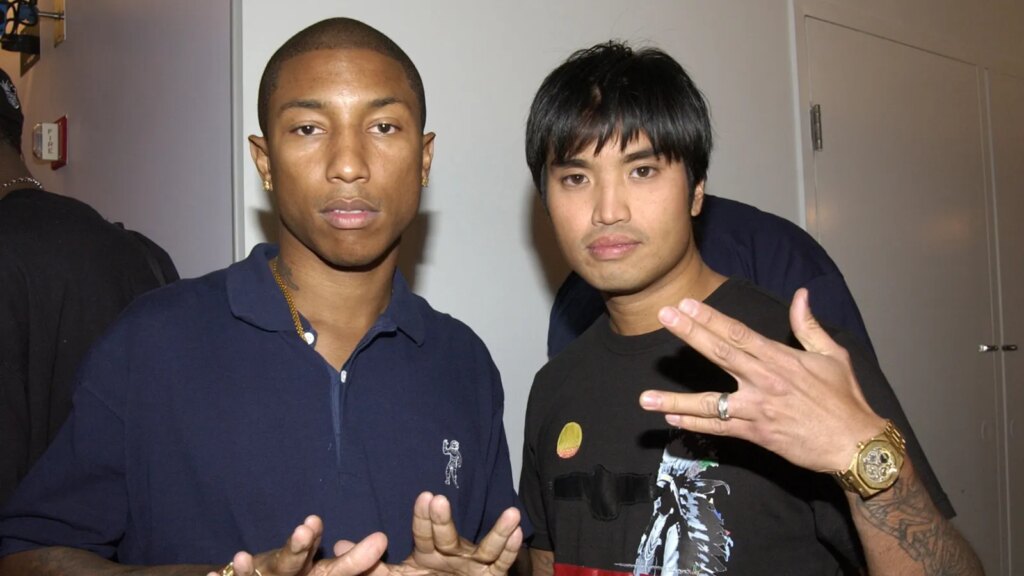
In a legal battle heating up between music icons Pharrell Williams and his Neptunes partner Chad Hugo, Williams is calling for a motion to dismiss Hugo’s copyright lawsuit. The Grammy-winning artist argues that after three years and multiple revisions to the complaint, Hugo has failed to present a clear copyright claim suitable for federal court.
Details of the Lawsuit
According to documents obtained by Rolling Stone, the contention began when Hugo referenced only the album No One Ever Really Dies in his original complaint, without specifying any particular songs. Subsequent amendments to the complaint identified eight songs not included on that album, but in a more recent filing, all eight were withdrawn. This latest iteration of the lawsuit only mentions EarthGang’s track “U Gotta,” yet it doesn’t clarify whether Hugo is asserting rights related to the musical composition, the sound recording, or both, as highlighted in Williams’ motion.
Vagueness of Claims
Williams’ legal team argues that the second amended complaint is so “vague and ambiguous” regarding the copyrights at issue that it impedes the defendants from adequately responding. The filing criticizes Hugo, suggesting he has not definitively identified the specific compositions or sound recordings he claims to have authored, despite being involved in their creation.
Implications of the Dismissal Motion
In seeking to dismiss the entire lawsuit, Williams emphasizes that without a legitimate federal copyright claim, all of Hugo’s state-law allegations—including breach of fiduciary duty and issues with accounting—should also be dismissed. Should the court grant the dismissal, Hugo would only have the option to pursue those claims in state court if he chooses to do so. The eight songs Hugo initially referenced, which were later omitted, include popular tracks like Rosalía’s “Motomami” and “La Combi Versace,” among others.
Hugo’s Contributions and Claims
Hugo asserts that he and Williams co-founded the Neptunes and the group N.E.R.D., claiming their collaborative work has made a significant impact on modern music genres such as hip-hop, R&B, and pop. He contends that his role as a writer, producer, arranger, and performer was instrumental to the success of both entities.
His second amended complaint maintains that although Williams often received more public recognition, Hugo’s contributions were crucial to the commercial success, brand recognition, and overall goodwill associated with their ventures. He claims entitlement to damages exceeding $1 million, specifically related to the album No One Ever Really Dies, which debuted at Number 10 on the Billboard charts and has garnered millions of streams.
Response and Next Steps
As of now, Hugo’s lawyer has not responded to Rolling Stone’s request for comment regarding the dismissal motion. The court has yet to rule on the motion or schedule a hearing, leaving the outcome and implications of this high-profile dispute in the hands of the judicial system.