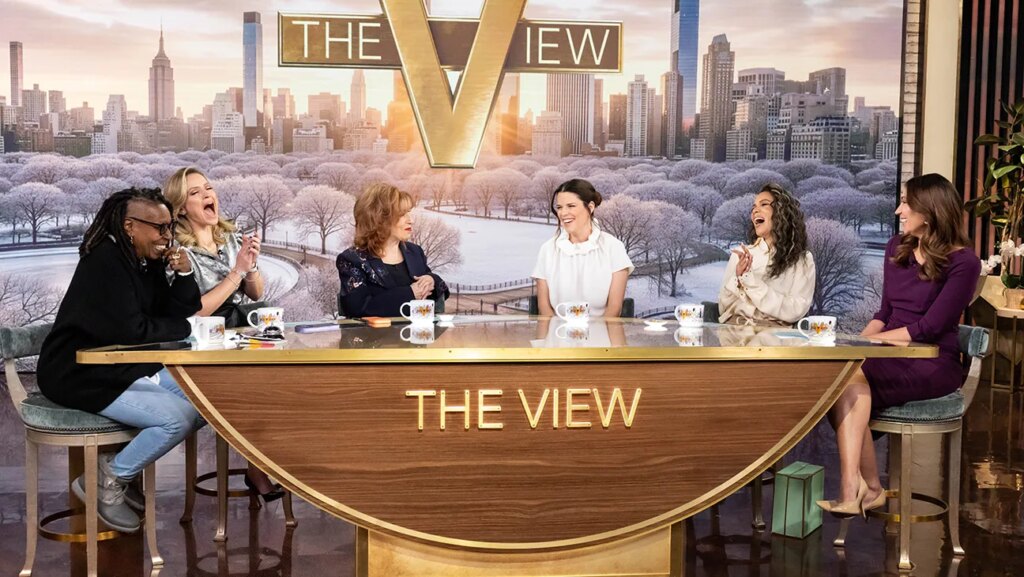

The daytime talk show The View has found itself embroiled in political controversy over its choice of guests. This dispute centers on a ruling by the Federal Communications Commission (FCC), specifically a push by Chairman Brendan Carr, whose actions have instigated debates about what qualifies as a bona fide news program. As election season approaches, this tension presents an intriguing challenge for The View and its parent companies, with ramifications for media freedom and political discourse. This article delves into the ongoing conflict and its implications for the future.
The FCC’s New Guidance and Its Impact
The crux of the situation involves the FCC under Brendan Carr’s leadership, aiming to reshape the “equal time” provision, which mandates that broadcasters provide equal opportunities to all legally qualified candidates. Traditionally, shows like The View have been considered exempt as bona fide news programs, but Carr’s new interpretation challenges this status.
President Trump’s comments at a recent White House event highlighted Carr’s influence, framing him as a pivotal figure trying to redefine media credibility. This development has put Disney, ABC, and The View under scrutiny, especially after Democratic Senate hopeful James Talarico’s appearance in February triggered an FCC investigation.
Political Guests: A Shift in Strategy
Following Talarico’s appearance, observable changes occurred in The View‘s guest bookings. Previously known for hosting a variety of politicians, the show began featuring more actors, authors, and filmmakers, avoiding political figures amid the FCC’s scrutiny. Notably, today’s episode reintroduces a political guest with Sen. Cory Booker discussing his new memoir, a move scrutinized by the Commission.
The perception that “politicians disappeared” from the program reflects this strategic shift, and it remains uncertain how Booker’s appearance will affect the ongoing FCC proceedings. With the looming election, The View‘s choices will be pivotal in shaping public and regulatory perceptions.
Navigating Media Regulations and Political Pressure
A significant aspect of this controversy is the reaction from ABC affiliates, some of which have proactively filed “candidate appearance” notices with the FCC, indicating their awareness of the equal time rules. Others have refrained, aligning with Disney’s stance that The View qualifies under the bona fide news exemption. Carr’s statements emphasize the importance of genuine news programs, suggesting that networks cannot exploit this status to sidestep legal obligations.
Station owners, such as the newly expanded Nexstar, may wield considerable influence, potentially pressuring networks to avoid clashes with the FCC. Past boycotts, like those against Jimmy Kimmel, indicate the delicate balance between content decisions and regulatory compliance.
The Future of Media and Political Discourse
The debate sparked by the FCC’s stance on The View exemplifies the broader challenges facing media in today’s polarized political climate. As elections approach, these issues could extend to other talk shows, impacting how they engage with political candidates. Daniel Suhr of the Center for American Rights supports Carr’s enforcement, emphasizing legal obligations for media fairness.
This unfolding scenario underscores the complex relationship between media, politics, and regulation. What happens next will be a significant test not only for The View but for all media entities navigating the boundaries of political engagement and freedom of the press.