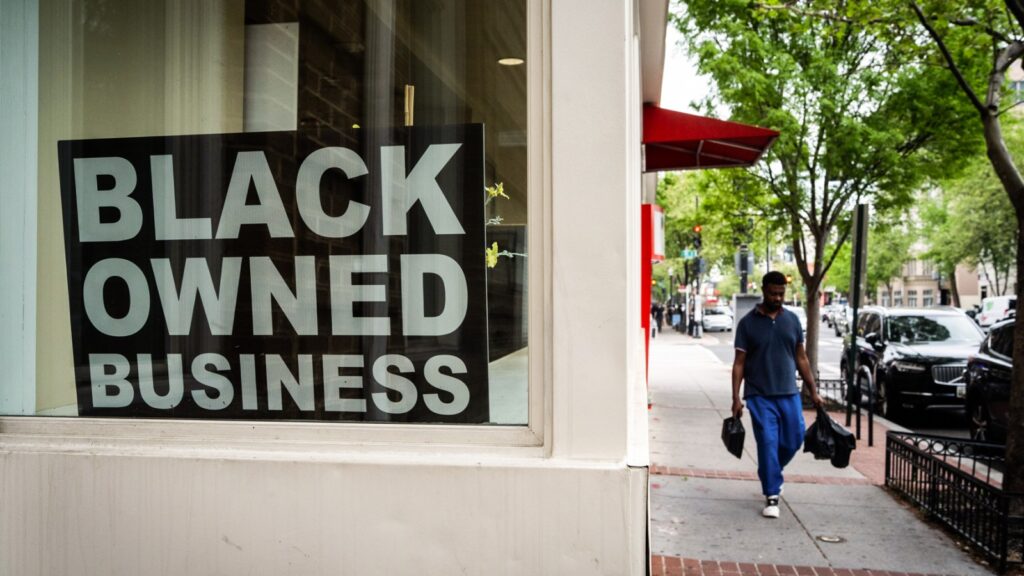
In recent years, the political landscape has reignited conversations about the need for economic independence in Black communities, reminiscent of the historic Black Wall Street. Driven by Donald Trump’s policies and actions, including controversial moves against diversity and inclusion, many are calling for a resurgence of Black-owned economic hubs. This article delves into these movements, drawing inspiration from past successes and failures, as communities explore ways to thrive amid systemic challenges.
### Historical Echoes of Black Wall Street
The concept of Black Wall Street dates back to the early 20th century, with Tulsa, Oklahoma, being one of the most prominent examples. It was a flourishing Black economy until the 1921 massacre decimated businesses and lives, becoming a symbol of both aspiration and racial injustice. The era witnessed thriving Black communities forcibly erased by intolerance and violence.
Joy Williams, a popular social media creator, echoes this sentiment in her satirical skits. She portrays both supportive and skeptical views of segregation, reflecting on the potential for unity in Black communities. “We need community,” Williams states, emphasizing the collective skills and potential for economic centers reminiscent of Black Wall Street.
### Challenges and Realities
Historically, Black communities like Kinloch, Missouri, have faced constant challenges. In Kinloch’s case, eminent domain dismantled what had been a self-sufficient, thriving community. Residents were displaced, losing generational wealth and community ties. These stories highlight the systematic barriers faced by Black communities, which persist even today.
Efforts to establish Black-centric economic systems, as seen with Aniya Holloway’s initiative, show both the potential and pitfalls of such ventures. The idea of a community financial pot and a Black-owned business directory gained momentum, but financial hurdles and trust issues stalled the project’s progress.
### Contemporary Movements
Despite setbacks, there are ongoing efforts to create modern Black Wall Streets. Calls for economic self-sufficiency focus on pooling resources and supporting Black-owned businesses. However, experts like Mehrsa Baradaran caution that sustainable success requires structural changes, not just community-driven efforts. “You can’t separate economics from law making, and politics from power,” she asserts, underscoring the need for systemic reform.
### A Vision for the Future
The future of Black economic independence lies in community solidarity and structural change. Some advocate for grassroots political movements to champion equality and justice. Others call for a renewed focus on supporting Black enterprises and fostering community cooperation.
As Joy Williams notes, understanding and unity are key: “We are all experiencing the same thing, living in the same place, and it’s done on purpose.” The question remains whether society will allow these communities to prosper or whether they will continue to face resistance.
The legacy of Black Wall Street serves as both an inspiration and a cautionary tale. As discussions continue, the resilience and ingenuity of Black communities remain their greatest strengths in the pursuit of economic empowerment.