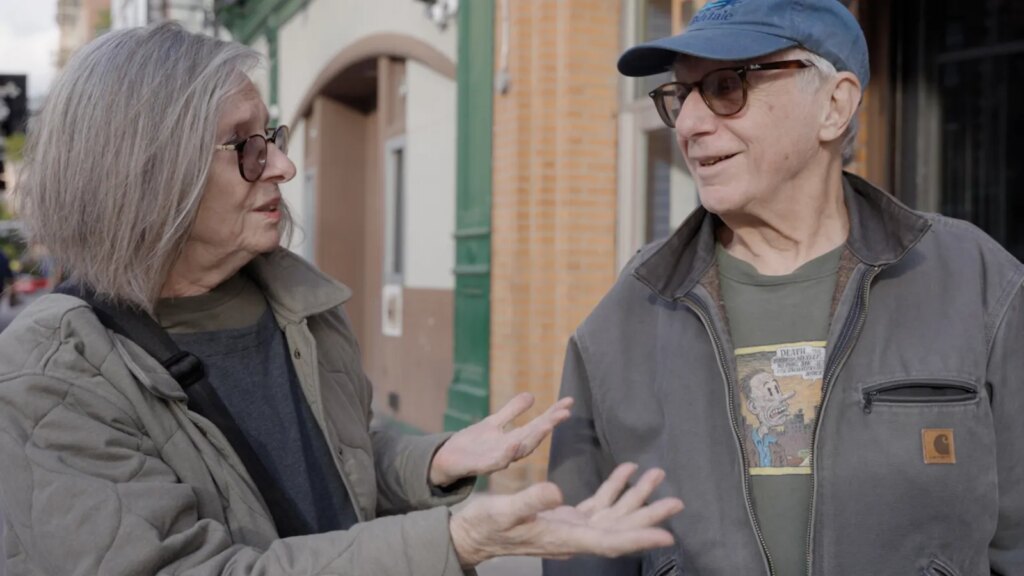
The world of rock music criticism owes a great deal to Robert Christgau, known as the “Dean of American Rock Critics.” At 83, Christgau showcases an unyielding passion not just for music but also for the craft of criticism, earning him a prominent place in the film The Last Critic. This rock documentary by Matty Wishnow delves into Christgau’s remarkable five-decade career, reflecting on his work and personal life, especially his enduring marriage to novelist Carola Dibbell.
A Lifelong Dedication to Music and Criticism
Christgau began his influential Consumer Guide column in the Village Voice in 1969, and he continues to publish his insights on Substack today. His sharp and unapologetic style has made waves in the music industry, inspiring both admiration and critique. Over the years, artists like Lou Reed and Bono have voiced their frustrations with his reviews, while his wit has prompted songs from the likes of Sonic Youth and Public Enemy. One of his most famous one-liners—reviewing Prince’s Dirty Mind—was, “Mick Jagger can fold up his penis and go home.”
A Film That Goes Beyond Music
The Last Critic, which premiered at the South by Southwest and Oak Cliff Film festivals before receiving accolades including the 2026 Screen Dallas grand prize, offers a deep look into Christgau’s professional world and his personal life. Co-produced by Joe Levy, a veteran of Rolling Stone, the film reveals how Christgau’s opinion pieces intersect with his relationship with Dibbell, who has stood by him for more than 50 years. Their life together, filled with intellectual exchanges and shared interests in music, serves as a poignant backdrop to Christgau’s relentless pursuit of musical knowledge.
The Complexity of a Lasting Relationship
In several heartfelt moments throughout the documentary, Christgau and Dibbell share their experiences, emphasizing the unique dynamic of their relationship. Their love story is at the film’s core, where their intellectual bond flourishes alongside their enduring romance. Speaking from their East Village home, filled with records and books, the couple discussed their life together including their shared love for music and frequent arguments that enrich their conversations. “I think that’s the best thing about the movie,” Christgau shares. “The relationship really has a kind of vitality to it that you can see.” Dibbell quips, “It’s still about you. I’m a co-star.”
A Chronicle of Music and Life
With appearances from fellow artists and writers influenced by Christgau—including Thurston Moore from Sonic Youth and Pulitzer winner Colson Whitehead—the film paints a portrait that is as much about music as it is about love. A particularly tender moment includes Randy Newman, who reflects on his friendship with Christgau and Dibbell, admitting he penned the song “Lost Without You” inspired by their relationship. “It’s the kind of movie where you come for the rock, stay for the romance,” noted critics.
Reflecting on Criticism and Legacy
Both in their conversations and within the documentary, Christgau’s and Dibbell’s discussions reflect on the intricacies of criticism. “I got Carola to start writing rock criticism, not because she was my wife,” Christgau explains. “But because I knew she could really write.” Dibbell adds her insights into the impact of rock criticism and how it helped shape their voices in a rapidly changing cultural landscape.
Continued Influence and Connection to the Past
Christgau’s significance as a critic remains palpable, as he has remained a passionate advocate for various music styles over the decades. His memoir, Going Into the City, and his commitment to independent criticism encapsulate a long-standing dedication to his craft. Speaking on the ever-evolving world of music, he reflects with pride on how he diversified music critique. “I started listening to pop music because I wanted to write about it as an important phenomenon.”
Through The Last Critic, viewers are invited into a world where music and love intertwine, crafting a narrative that celebrates not only the art of criticism but the value of enduring relationships. The documentary stands as a testament to their collaboration, passionate debates, and unending love displayed within a vibrant, artistic life.