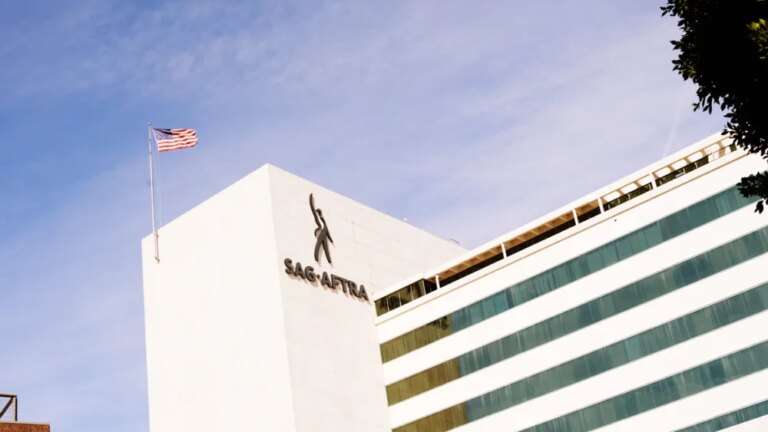
SAG-AFTRA has wrapped up a month of intense negotiations with major studios, yet a new agreement remains out of reach. Talks are set to resume in June as both sides aim to secure a mutually beneficial deal. The latest development underscores the ongoing complexities in reaching consensus, particularly as the current contract is due to expire at the end of June.
Progress and Prolonged Negotiations
Though the outcome was anticipated, some optimism lingered that a new contract might be solidified in March. According to a joint statement, “SAG-AFTRA and the AMPTP completed productive bargaining sessions, including going several days beyond what was originally planned.” The negotiations, which began on February 9, initially aimed to conclude by March 6. However, with encouraging signs, discussions were extended by a week.
Pressures and Timelines
The deadline pressure was intensified by the Writers Guild of America’s upcoming negotiations. Set to begin shortly, these talks provided a definitive endpoint for the ongoing SAG-AFTRA discussions. The WGA’s contract, expiring on May 1, takes priority, with Directors Guild of America talks following on May 11. Both DGA and SAG-AFTRA face a June 30 contract expiration deadline.
Key Players and Complex Issues
Leading the negotiations for the union is Duncan Crabtree-Ireland, while Greg Hessinger, CEO of the Alliance of Motion Picture and Television Producers, represents the studios. Central to these discussions are various contentious issues, particularly the use of artificial intelligence. The union seeks to regulate “synthetic performers”—digital avatars devoid of real-life counterparts.
The AI Dilemma and Beyond
In 2023, SAG-AFTRA secured protections for AI replicas through a focus on “consent and compensation” for the use of an actor’s likeness. However, challenges persist with synthetic performers, where actors have little to gain. The idea of a “Tilly tax”—a proposed payment to a union fund for using synthetic performers—has been suggested as a potential solution.
Beyond AI, negotiations also cover health and pension funds, exclusivity windows, and increased residuals from streaming platforms. These complex issues remain at the forefront as negotiations are set to resume in June, with both parties striving for a fair resolution.