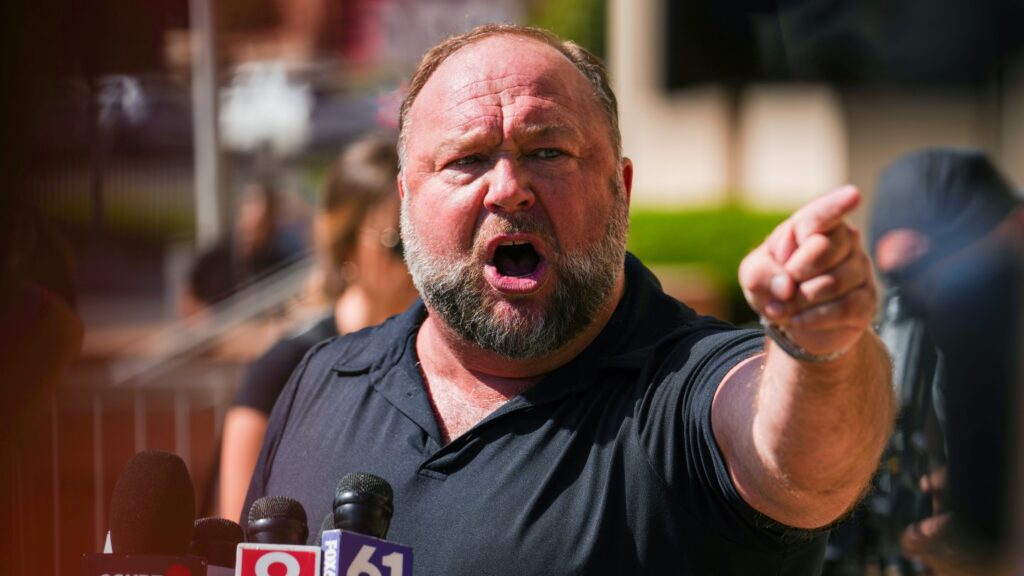
In a significant legal development, the Supreme Court has upheld a $1.4 billion defamation judgment against Alex Jones, stemming from his claims about the 2012 Sandy Hook Elementary School shooting. This decision marks a pivotal moment in a high-profile case underscoring the consequences of harmful misinformation.
The Supreme Court’s Decision
On Tuesday, the Supreme Court rejected Alex Jones’ appeal, leaving in place the substantial judgment against him. Jones, a controversial figure known for conspiracy theories, had long claimed that the tragic Sandy Hook shooting was a hoax orchestrated by crisis actors. The court’s decision did not include a comment or require a response from the victims’ families, reaffirming the lower court’s ruling.
Legal Repercussions and Reactions
Jones argued that his right to a trial was bypassed, alleging that the judge’s ruling against him was unjust. However, the decision was founded on his repeated failure to comply with court orders and submit necessary evidence. Christopher Mattei, a lawyer representing the families, stated, “We look forward to enforcing the jury’s historic verdict and making Jones and Infowars pay for what they have done.”
Meanwhile, Jones’ legal team, citing his bankruptcy, contended that collecting the full amount would be implausible. Despite these claims, the ruling emphasizes accountability for the harm caused by misinformation.
Ongoing Legal Challenges
Jones is concurrently appealing a $49 million judgment related to another defamation suit in Texas. This arose after failing to provide documents to the parents of a Sandy Hook victim. In the Connecticut case, the punitive damages soared to nearly $1 billion, with additional penalties for Jones and his company, Free Speech Systems.
The legal battles continue as efforts to liquidate Infowars’ assets proceed. After a contentious auction process involving the satirical outlet The Onion, the sale was transferred to a Texas state court. Jones is also contesting a decision appointing a receiver to manage asset liquidation.
Impact on Free Speech
This case has intensified discussions about free speech and the boundaries of misinformation. While Jones’ views sparked debates on the limits of free expression, the court’s ruling underscores the potential legal consequences of harmful rhetoric.
The Supreme Court’s refusal to hear the appeal highlights a significant milestone in holding individuals accountable for defamation, marking a decisive chapter in the ongoing battle against misinformation and its detrimental effects.