As students return to campuses across the nation, there is an atmosphere of optimism: reunions, speeches from deans, and parents maneuvering the logistics of college furniture assembly. Yet behind this façade of academic normalcy, elite institutions are grappling with significant challenges. The Trump administration’s ongoing investigations into numerous universities for allegedly fostering antisemitism and its push for “anti-woke” policies—mandating race and sex neutrality in admissions—are causing a stir within higher education circles. The administration has even demanded that schools like the University of Pennsylvania disclose the identities of Jewish students and has sought records from international students at Harvard, suggesting a larger attempt to intimidate academia as a whole.
Context of Campus Culture
It’s essential to acknowledge that the administration’s concerns are not entirely groundless. Over the past decade, modern campuses have developed a unique culture deeply entrenched in identity politics and social activism that some critics find absurd. A humorous metaphor comes to mind about two fish in the ocean: one remarks on the beauty of the water, to which the other simply replies, “What water?” This metaphor encapsulates how many academics seem oblivious to the prevailing atmosphere of ideological fervor. For a deeper insight into this bewildering trend, one might reference Tyler Austin Harper’s thought-provoking piece in The Atlantic, where he recounts experiences at Bates College involving “mathematics for social justice.”
Intellectual Repression and Its Consequences
However, the root of the Trump administration’s agenda appears less about fostering free expression and more about imposing repression. High-profile incidents, such as the detention of a Tufts graduate student for her signature on an op-ed, emphasize this chilling reality. Influential figures like Stephen Miller are waging a war on the American intellectual elite—spanning academia, media, and other sectors—reflecting a broader strategy typical of authoritarian regimes that aim to stifle modernity and establish a form of ethnic supremacy by silencing dissenting voices.
Financial Dynamics of Higher Education
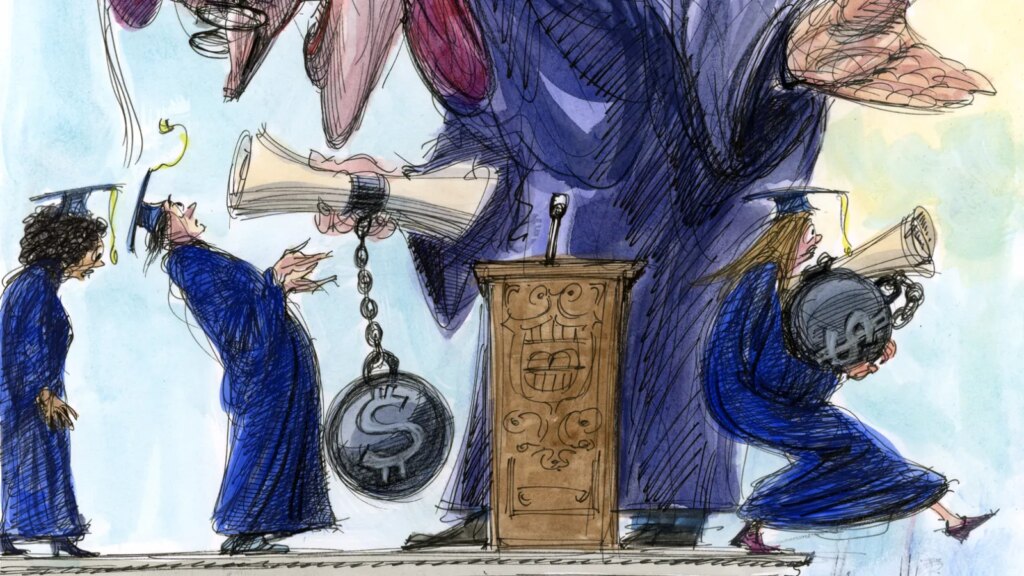
The ramifications of this aggressive campaign against intellectualism and the structure of higher education could take decades to fully emerge, particularly in terms of America’s ability to attract top talent and achieve scientific advancements. Moreover, one unintended consequence has materialized: elite colleges now present themselves as unlikely defenders against authoritarianism, a stark contrast to their historical image as enablers of inequality. Once considered secure pathways to middle-class prosperity, elite institutions today may instead perpetuate systemic economic disparities. With private college degrees reaching upwards of $400,000 and public universities relying heavily on affluent out-of-state students, higher education is increasingly accessible only to the wealthy.
The Illusion of Inclusivity
Despite attempts by some institutions to offer financial aid and discounts, the reality remains grim for many families. Even with initiatives providing free tuition for certain income brackets, competition for admission favors affluent candidates, benefiting those who can pay for extracurriculars and private coaching. Athletic preferences, such as spots reserved for students excelling in niche sports, further complicate matters, ensuring the system remains skewed in favor of the privileged.
Transparency and Accountability in Higher Education
The greater question looms: where is all this tuition money allocated? The opacity surrounding financial operations in private colleges allows for rampant tuition inflation, often leaving students burdened with crippling debt. Meanwhile, costs are indirectly supported by families unable to afford private education, propped up by substantial tax breaks afforded to universities. This system ultimately serves neither the elite nor the larger body of American families striving for access to quality education.
Proposed Reforms and Political Reactions
The current landscape may present a rare, bipartisan opportunity for reform in higher education—a “70 percent issue” that could galvanize considerable support. As a potential platform, calling for transparency regarding tuition expenditure and a fixed tuition rate for the duration of a student’s enrollment could resonate with many. Proposals could include limiting commitments to niche athletics, streamlining admissions processes, and establishing a more structured approach to financial aid based on a college’s resources.
While Trump’s tactics are often marked by division and cultural conflict, his agenda does highlight an area ripe for dialogue. Yet, the dialogue appears stunted by political posturing. Many Democrats, wary of appearing aligned with Trump, may shy away from addressing the necessary changes that could make higher education more equitable and beneficial for a broader spectrum of society.
The Larger Implications
The tension surrounding Trump’s academic policies represents a broader disconnect throughout his presidency. He ascended by rallying middle-class voters who feel disenfranchised yet often finds himself aligning with punitive measures against educated elites. This complex dynamic underscores a pattern of emphasizing cultural conflict over meaningful reform. Ultimately, while the administration’s maneuvers may appear to threaten the status quo, they could inadvertently reinforce the resilience of academia, showcasing the complexities of the American educational landscape.