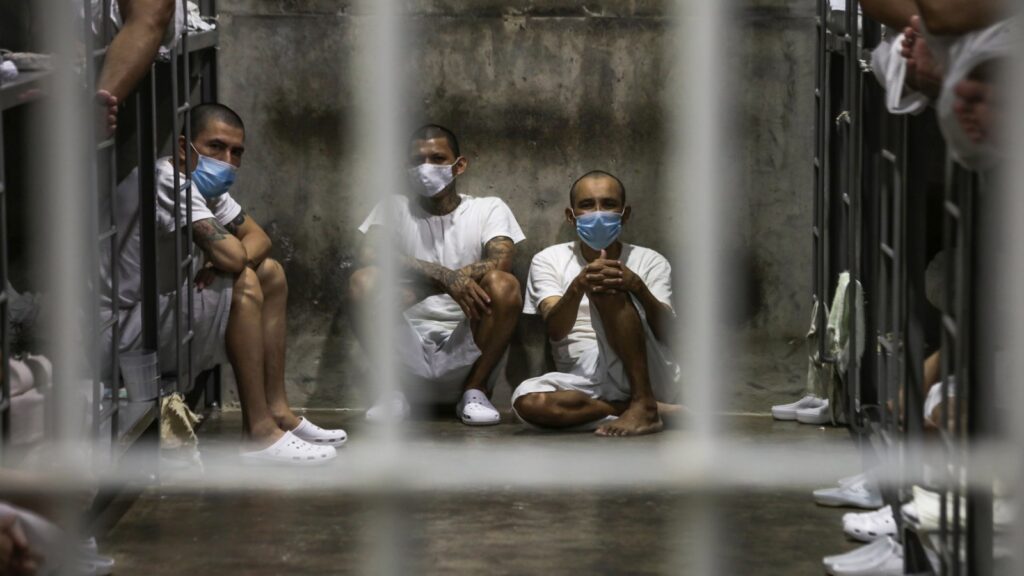
In a startling development, El Salvador has acknowledged that the United States retains custody of migrants sent to its prisons under a controversial initiative by former President Donald Trump. This revelation highlights ongoing legal battles about the detention and treatment of these individuals. The key issue revolves around the U.S.’s control over migrants, forcefully deported to El Salvador’s notorious CECOT prison, triggering international concerns and legal challenges.
U.S. Custody Over Migrants in El Salvador
Amid allegations of illegal transfers, El Salvador’s President Nayib Bukele stated his country couldn’t return migrants deported under Trump’s administration. This admission complicates the narrative provided by U.S. authorities, who claimed no legal power to repatriate the affected individuals. Lawyers for Venezuelan detainees have presented documents indicating that despite being housed in El Salvador, the U.S. retains custody. This contradicts earlier statements by top officials and impacts ongoing legal proceedings.
Legal Challenges and International Relations
Documents shown to District Judge James Boasberg underscore a critical point: the Salvadoran government’s indication to the U.N. that the U.S. controls the fate of migrants sent to CECOT. This acknowledgment directly challenges statements made by the Trump administration concerning the treatment and jurisdiction of these detainees. Moreover, the U.N. reports suggest that El Salvador’s involvement is limited to facilitating a bilateral agreement, raising questions about sovereignty and international legal obligations.
Implications on Human Rights and Legal Proceedings
The lawyers involved in J.G.G. v. Trump argue that the U.S. concealed pertinent information from the court, undermining the Justice Department’s credibility. Michael Kozak, a State Department official, previously claimed in a sworn deposition that El Salvador was responsible for the detainees. However, this new evidence challenges that assertion, suggesting a more complicated legal and jurisdictional landscape.
Impact on Individual Cases and Human Rights Concerns
The case of Kilmar Abrego Garcia further illustrates the controversy. Deportation rulings were deemed “illegal” by the Supreme Court, highlighting severe conditions experienced by detainees, including physical and psychological abuse. Details from court filings paint a grim picture of overcrowding and human rights violations in CECOT, emphasizing the urgent need for scrutiny and accountability.
Judge Paula Xinis questioned the Justice Department on its contradictory stance regarding Abrego Garcia, pointing out the logic gaps in their legal strategies. Her inquiries underscore the broader issue of jurisdiction and accountability concerning the U.S.’s actions in these deportations.
The unfolding legal battles and revelations about U.S. custody over migrants in El Salvador spark critical discussions about human rights, legal jurisdiction, and international relations. The situation remains complex, with far-reaching implications for U.S. and Salvadoran governmental responsibilities and international policy on migrant detentions.