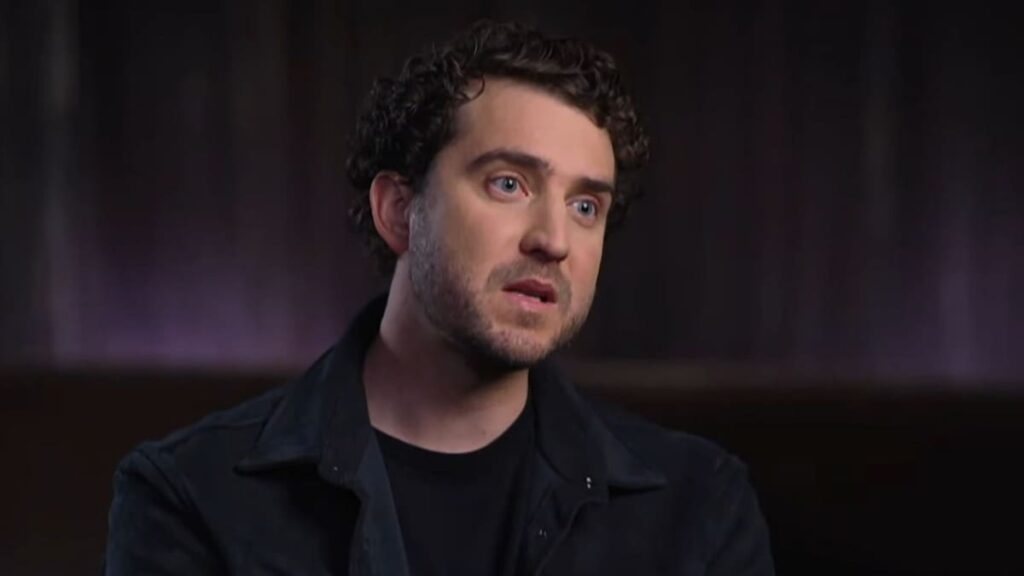
Nathan Fielder and Lance Oppenheim’s documentary You Can See Everything delves into an intricate web of themes, but a significant focus in its latter half is the concept of money—specifically surrounding Billy Evans, one of the film’s central figures, alongside his partner Elizabeth Holmes. In a rather atypical arrangement for documentary participants, Evans reportedly negotiated with A24 to receive compensation in the form of profit participation for his involvement in the film. This decision raises questions about the implications of money within the narrative, particularly as Evans makes his request in Holmes’s absence. Fielder is left pondering whether her exit is a sign of innocence, ambivalence, or calculated manipulation.
The Unexpected Twist of Profit Participation
Ultimately, the film suggests that Evans willingly signed away his right to profit from the documentary. However, reports have emerged to challenge this narrative. As stated by THR, contrary to the film’s conclusion, Evans and his representatives have since arranged for their backend earnings to be allocated—though not directly to them. Sources indicate that the money will be donated to an unnamed children’s charity, highlighting an unexpected turn in Evans’s story.
Reputation Rehabilitation and Financial Realities
This development raises speculation about whether it stemmed from the documentary’s surprising box office success, which amassed a remarkable $94 million from a mere $7 million budget. Given the implications of backend participation, it seems plausible that Evans may have recognized a need for reputation management after seeing how the film portrayed him. Previously, Evans expressed his need for payment, citing his struggles as a single father facing the looming incarceration of his partner, remarking, “I’m trying to provide for my family and I’m really scared about what’s to come.”
Negotiations and Future Questions
The timeline regarding this charitable donation raises further questions: Was the decision to redirect profits part of the original agreement, or is it a development that Evan’s team negotiated post-release? Reports from Page Six suggest that not long after the documentary’s debut, Evans was in discussions with lawyers to potentially reinstate his claim for payment, indicating the nuances involved in his participation.
As audiences engage with You Can See Everything, the convergence of financial motives and personal stories continues to provoke thought on the ethical landscape of documentary filmmaking and the complex narratives that emerge from real-life subjects.