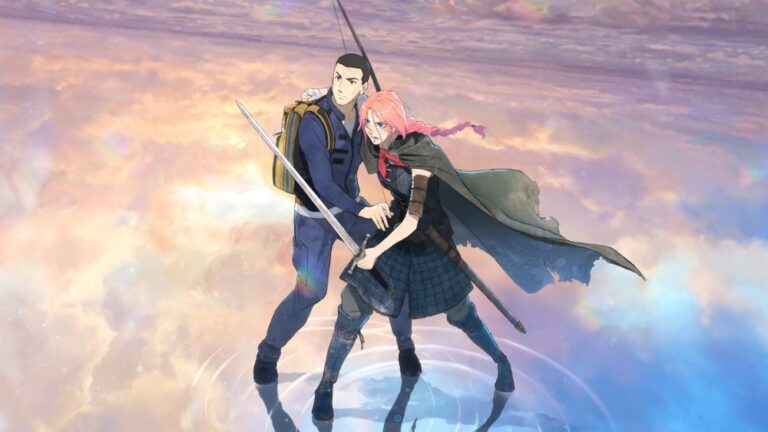
Acclaimed anime director Mamoru Hosoda is bridging cultures with his latest feature, “Scarlet,” a film that marries the rich traditions of the East with Western influences. This ambitious anime takes inspiration from Shakespearean themes, classic European fantasy, and the iconic legacy of Walt Disney princesses. By intertwining these diverse elements, Hosoda creates a narrative tapestry that speaks to global audiences, marking “Scarlet” as a significant milestone in his career.
East Meets West in “Scarlet”
In “Scarlet,” Mamoru Hosoda crafts a unique narrative by drawing from Western themes and integrating them with Eastern storytelling traditions. This approach mirrors the success of “KPop Demon Hunters,” an American film enriched with Asian culture, which has gained significant attention on streaming platforms. Both films have roots in collaborations with Sony, showcasing how cross-cultural partnerships can lead to groundbreaking results in animation.
A Story of Revenge and Transformation
Hosoda describes “Scarlet” as a tale of vengeance, where the protagonist, a medieval princess, embarks on a journey across worlds to fulfill her quest for retribution. This dual-world narrative, a hallmark of Hosoda’s style, tests characters through the juxtaposition of different realities. In “Scarlet,” the protagonist’s medieval world contrasts with that of a modern-day nurse, offering a fresh twist on the buddy-movie genre. This interplay allows for a rich exchange of ideas and perspectives.
The Evolution of Animation Styles
“Scarlet” exemplifies the growing fusion of animation styles globally, overcoming previous divides among American, European, and Japanese animations. According to Hosoda, the rise of streaming platforms has enabled audiences worldwide to appreciate diverse forms of animation. Films like “Spider-Man: Into the Spider-Verse” and “KPop Demon Hunters” illustrate this artistic blending, which is also evident in “Scarlet.”
Hosoda’s admiration for American hand-drawn animation, particularly the works of Glen Keane in “Beauty and the Beast,” has influenced his style. While maintaining traditional Japanese 2D techniques, Hosoda has adopted digital methods to enhance the visual depth in “Scarlet,” enlisting talents like Disney veteran Jin Kim and Tadahiro Uesugi to enrich the film’s aesthetic.
An Expanding Global Presence
International festival exposure has significantly widened the audience for Hosoda’s work, starting with “The Girl Who Leapt Through Time” and continuing with films like “Summer Wars” and “Mirai.” This exposure has allowed Hosoda to explore varied themes and artistic expressions, bringing elements like Shakespearean drama into the world of animation.
Reflecting on the theme of revenge, Hosoda notes its heightened relevance amidst today’s global instability and conflict. He hopes to connect with audiences on an artistic level, transporting them to new worlds through the powerful medium of animation.