The Academy Awards are renowned for celebrating cinematic excellence, but some of the most impactful narratives are being conveyed in a format that defies the conventional feature-length norm. Short films, with their dynamic storytelling and innovative techniques, are emerging as a compelling segment of this year’s Oscars race, showcasing both established filmmakers and rising stars who are willing to push the boundaries of creativity.
Spotlight on Emerging Talents
The short film categories at the Academy Awards have historically served as a fertile ground for filmmakers eager to explore new ideas in a condensed format. These films—ranging across live action, animation, and documentary—allow directors to experiment outside the constraints typically associated with feature-length productions. Often produced on modest budgets and with limited distribution, short films encourage unique storytelling approaches that can lead to intimate character studies, innovative animation, and poignant documentaries that address pressing issues.
Diving into Real-World Issues
One powerful example is Anne Sundberg’s documentary “A Month in Minnesota,” which reflects on the community response following the tragic ICE shootings in Minneapolis. Sundberg aimed to immerse viewers in the societal dynamics at play during these tumultuous times. “I really wanted to bring people inside the experience of what it was to be in Minnesota at the time that this happened,” she says, emphasizing the rapid formation of networks and trust among locals, highlighting the stark contrast between everyday life and the sudden violence that altered their world.
Similarly, the documentary “Listen,” directed by Taliesin Black-Brown, follows sound recordist Hank Lentfer as he documents nature while caring for his mother in the late stages of dementia. Black-Brown hopes the film inspires viewers to embrace the healing aspects of sound in nature amidst the chaos of urban life. “It can be profound to experience those sounds,” he notes, advocating for a deeper appreciation of the auditory elements that surround us.
Innovation in Animation
The animated short film category is also showcasing pioneering visions, with directors embracing both classic techniques and cutting-edge technology. Joe Hsieh, director of “Praying Mantis,” merges his love for hand-drawn 2D animation with horror, demonstrating how short films can vividly convey imaginative narratives. “A short film is also a good way to show that you can make what you imagined into something,” he explains, highlighting how these films allow for artistic expression in ways that resonate with audiences.
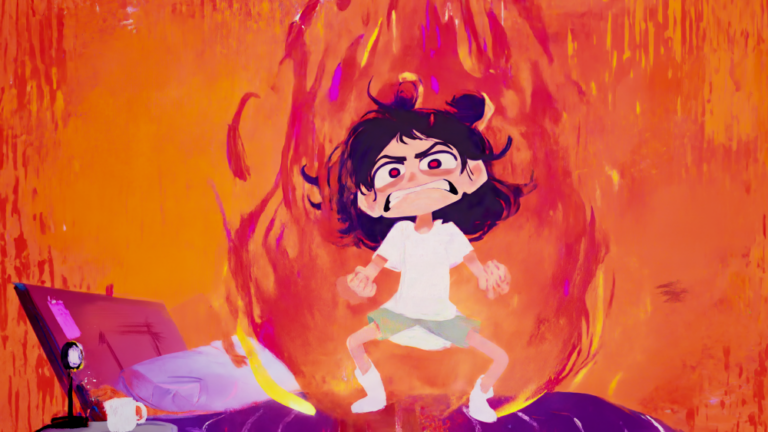
Meanwhile, “Dear Upstairs Neighbors” pushes the boundaries of AI in animation, showing how technology can enhance artistic expression. Marcia Mayer, the executive producer, likens the current discussions around AI to past debates surrounding the advent of CG technology in animation. “Short films are often done as a test of new technology,” she shares, noting how AI tools enable creators to bring their visions to life more efficiently than ever.
Courageous Storytelling in Live Action
The live action segment of this year’s shorts is equally diverse, with stories that draw from personal experiences or commission opportunities. Kathryn Kalucki’s “Jozefa” recounts her grandmother’s journey as a refugee, crafted within a tight production schedule of just two and a half days. “We decided we had to use the resources we have… We were able to make something powerful, even with all those limitations,” Kalucki reflects on the challenge of delivering a poignant narrative within a compressed timeframe.
Patrick Willems, director of “Power Trip,” has a background in creating quick-paced YouTube content, which lends itself well to short film production. “It feels amazing because I don’t have to do everything myself,” he expresses, stressing the benefits of collaborating with a professional crew to capture compelling stories within brief periods.
For some filmmakers, like Mekhai Lee, short films represent a distinct art form, akin to novellas versus novels. “I like the short story… there’s a different approach to it,” he says, embracing the unique storytelling opportunities that shorts afford within specific themes and parameters.
Acclaimed director Sean Baker sees short films as an opportunity for creative exploration. His piece “Sandiwara,” which features Oscar-winner Michelle Yeoh, emerged from a residency program aimed at fostering new talents and techniques. “I think you have to always be practicing your craft and learning new things,” Baker remarks, relishing the chance to work with new collaborators on concise projects.
A Unique Medium
Maggie Gyllenhaal, known for her acclaimed features, also embraces the short film format as a unique artistic expression. Her short “Flesh Impact,” which delves into the life of Marilyn Monroe, embodies stories that might not find a place in longer formats. “I think some stories are meant to be 17 minutes, like mine,” Gyllenhaal reflects. She views shorts as opportunities that transcend commercial viability, stating, “I think of short films almost like these little geodes…full of something unexplainable.”
As the Oscars approach, the short film categories remind us of the varied landscape of contemporary storytelling, where economic challenges can spark immense creativity. Through innovative narratives and experimental techniques, these filmmakers showcase that impactful stories can resonate deeply, even within a brief time frame.